

- The FTC does not ban AI avatars in ads. It bans fake or false testimonials, with civil penalties of up to $53,088 per violation.
- New York's synthetic performer law requires conspicuous disclosure in ads from June 9, 2026, with $1,000 and $5,000 penalties.
- EU AI Act deepfake disclosure duties apply from Aug 2, 2026.
- Never use a celebrity or real person's likeness without permission.
- Health and beauty claims need real evidence. A testimonial is not proof.
Short answer: legal, with three conditions
General information, not legal advice. Laws change and differ by country and state. Talk to a lawyer about your specific ads.
Using an AI actor to present your product is not illegal anywhere covered in this guide. Regulators care about what the ad says and whether viewers are misled, not about whether a camera was involved. Keep these three conditions and you are on solid ground:
- Real claims and real testimonials. If the script describes an experience, that experience must come from real customers, and product claims must be true and supported.
- Disclosure where required. Label AI content where a law (such as New York's) or a platform (such as TikTok) requires it.
- No unauthorized likeness. Never imitate a celebrity, influencer or private person without their permission.
FTC: AI avatars are allowed, fake testimonials are not
The clearest statement comes from the FTC's own Q&A on its Consumer Reviews and Testimonials Rule: "The rule has no blanket prohibition on the use of AI-generated avatars in marketing." The FTC explains that an AI stock avatar can deliver a testimonial, and that it is prohibited only if the underlying testimonial is fake or false.
In practice, that means an AI actor can say "customers keep telling us it doesn't feel sticky" if customers really say that. It should not invent a personal story ("I lost 20 pounds in a month") that no real customer had.
The FTC's Endorsement Guides, revised in June 2023, point the same way. The update clarified that the definition of endorsements covers fake reviews, virtual influencers and social media tags. A virtual person endorsing your product is held to the same truth standard as a real one.
Sources: FTC rule Q&A, FTC Endorsement Guides update
The fake reviews rule (16 CFR 465) and penalties
The FTC announced its final rule banning fake reviews and testimonials on Aug 14, 2024, and it went into effect on Oct 21, 2024. Among other things, it bans reviews and testimonials that misrepresent that they are by someone who does not exist, "such as AI-generated fake reviews."
The penalties are real. In its December 2025 warning-letter template, the FTC states that a court could impose civil penalties of up to $53,088 per violation for knowing violations. That is per violation, so a fake testimonial running across many placements can add up fast.
Sources: FTC final rule announcement, FTC 2025 warning letter template
New York's synthetic performer law (GBL 396-b, June 9, 2026)
Cooley calls it a first-in-the-nation law: a specific disclosure rule for AI performers in ads. The amendment to General Business Law section 396-b was signed on Dec 11, 2025, and took effect on June 9, 2026.
- What it covers: ads that use a "synthetic performer," meaning a digitally created asset made with generative AI or software that gives the impression of a human performance by someone who is not recognizable as an identifiable person. A typical AI UGC actor fits that description.
- What it requires: whoever produces or creates the ad for a commercial purpose must conspicuously disclose that a synthetic performer is in it, where they have actual knowledge that one is used.
- Penalties: $1,000 for a first violation and $5,000 for each later one.
- Exemptions: audio-only ads, AI used solely for language translation, and ads for expressive works such as films, TV and games where the use is consistent with the work. Media publishers that only carry the ad are not covered.
If your ads reach New York, add a clear on-screen AI disclosure. That habit also satisfies most platform rules.
Sources: Cooley, Reed Smith, Bill text S8420A
EU AI Act Article 50: deepfake disclosure from Aug 2, 2026
In the EU, Article 50 of the AI Act sets transparency duties, and Article 50(4) covers deepfakes: AI-generated or manipulated content that resembles real people or events. These deepfake disclosure obligations apply from Aug 2, 2026. Baker McKenzie notes that the AI Omnibus gives generative AI systems already on the market before Aug 2, 2026 until Dec 2, 2026 for machine-readable marking, but that relief does not extend to the deepfake disclosure obligations.
For advertisers running AI UGC into the EU, the practical move is the same as in New York: a visible AI label on the ad.
Source: Baker McKenzie
Celebrity and real-person likeness: never without consent
This is the line that gets advertisers in real trouble. The FTC's Q&A says that using a celebrity's avatar without permission can violate the fake reviews rule. TikTok's ad policy prohibits misusing a public figure's likeness, including false endorsements.
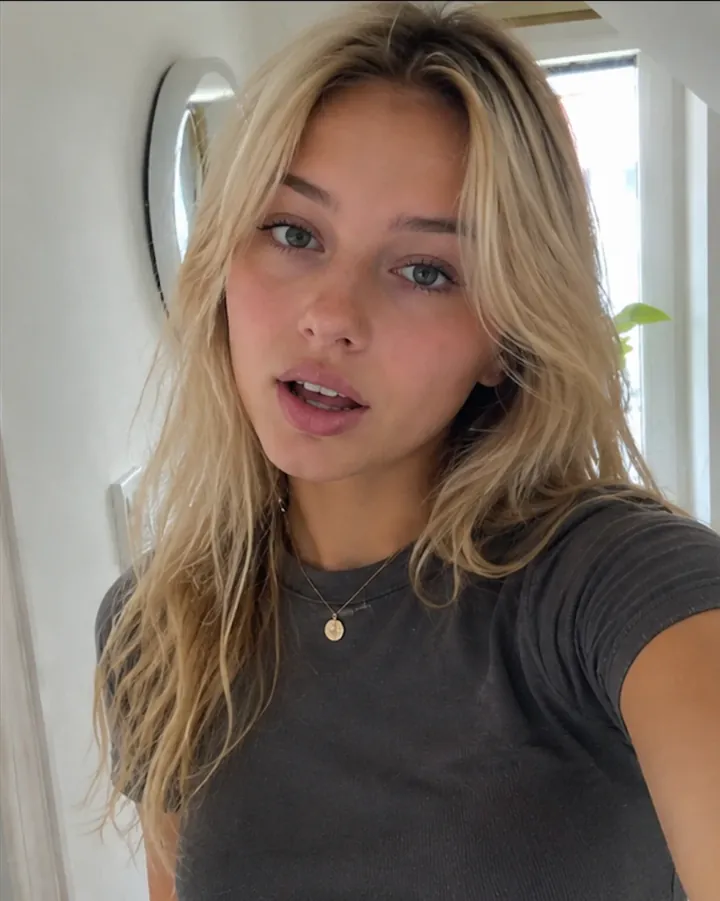
Use stock AI actors that are cleared for advertising, or a real person who has given you permission. In EchoUGC you can upload your own actor photo, for example a founder or a team member, only with that person's permission.
Sources: FTC rule Q&A, TikTok ads policy
Health and beauty claims: extra rules
Supplements, skincare and wellness are some of the most popular AI UGC categories, and they carry the strictest claim rules. The FTC's Health Products Compliance Guidance says health claims need "competent and reliable scientific evidence." Testimonials do not count as substantiation, and a generic "results not typical" line does not fix an implied claim that results are typical.
So an AI actor saying "this cleared my acne in a week" is a problem twice over: it implies a personal experience and a health result. Stick to what is on the label and what you can prove. See AI UGC skincare ads and AI UGC supplement ads for safe script patterns.
A 6-point compliance checklist for every AI UGC Ad
- Every claim is true and provable. Health and results claims have real evidence behind them.
- Every testimonial is real. Personal-experience lines trace back to actual customer feedback.
- No one's likeness without consent. Stock AI actors, or real people who agreed in writing.
- Platform AI label applied. TikTok requires its AIGC label or your own clear disclaimer and rejects or restricts undisclosed AI ads. YouTube requires disclosure of realistic synthetic content.
- Conspicuous disclosure for New York and the EU. A visible on-screen AI label covers both. Google Ads also lets you add AI labels inside creatives or use its AI label setting, though it notes the setting alone "doesn't guarantee compliance."
- Records kept. Save the brief, the source reviews and the final file for each ad.
Platform details are in AI ad disclosure labels.
Sources: TikTok ads policy, YouTube altered or synthetic content, Google Ads AI labels
Making compliant AI UGC in EchoUGC
Staying legal is mostly about the script, and EchoUGC makes good scripts easy. Describe your product in one line and it writes the script for you. You can steer it with idea starters that sell without inventing anyone's story: myth-busting, "3 reasons", problem and fix, and objection.
- Put real facts in the brief. Paste label claims and real review themes, and leave out anything you cannot prove.
- Show the real product. Add a product photo and EchoUGC places it in every scene, so viewers see exactly what they are buying.
- Use Demo and Unboxing formats. Showing the product in use is persuasive without a personal health claim.
- Label it on upload. Apply TikTok's AI label when you upload, and add a visible on-screen AI disclosure for Meta, New York and the EU. EchoUGC adds no watermark or AI label of its own, so this step is yours.
Each finished ad costs about $9 to $12, so fixing a risky line means writing a new brief, not booking a reshoot. Try it on your own product for $11. See pricing.
Frequently asked questions
Is it illegal to use AI actors in ads?
No. The FTC says its fake reviews rule has no blanket prohibition on AI-generated avatars in marketing. What is prohibited is a fake or false testimonial, an unauthorized likeness, or failing to disclose AI where a law or platform requires it. This is general information, not legal advice.
Do I have to disclose AI UGC?
Often, yes. TikTok requires an AIGC label or your own clear disclaimer and rejects or restricts undisclosed AI ads. New York requires conspicuous disclosure of synthetic performers from June 9, 2026, and the EU AI Act adds deepfake disclosure duties from Aug 2, 2026.
Can an AI avatar say "I used this product"?
Only if it reflects a genuine experience. The FTC says an AI avatar testimonial is prohibited if the underlying testimonial is fake or false. Safer scripts describe real review themes, product facts or demonstrations instead of invented personal stories.
What is the New York synthetic performer law?
It is an amendment to New York General Business Law section 396-b, effective June 9, 2026. Advertisers with actual knowledge that an ad uses an AI-generated synthetic performer must conspicuously disclose it. Penalties are $1,000 for a first violation and $5,000 for each later one.
What are the penalties for fake AI testimonials?
Under the FTC's Consumer Reviews and Testimonials Rule, courts can impose civil penalties for knowing violations. The FTC's December 2025 warning-letter template cites penalties of up to $53,088 per violation.
Make your first AI UGC Ad for $11
Describe your product in one line. EchoUGC writes the script, casts an AI actor and delivers a captioned 9:16 video, sized for TikTok, Reels and Shorts. The $11 first week gives you 100 credits, enough for one finished video, then continues on Starter at $49 a month after 7 days. Cancel anytime from your account.
Start creating