- Every strong example hooks in the first 3 seconds.
- Talking ads sell the story, Demo ads sell the use, Unboxing ads sell the moment.
- Health and beauty examples avoid claims you cannot substantiate.
- Weak AI ads look cinematic, start slow and try to say everything.
- You can make any of these in EchoUGC from one line, for about $9 to $12.
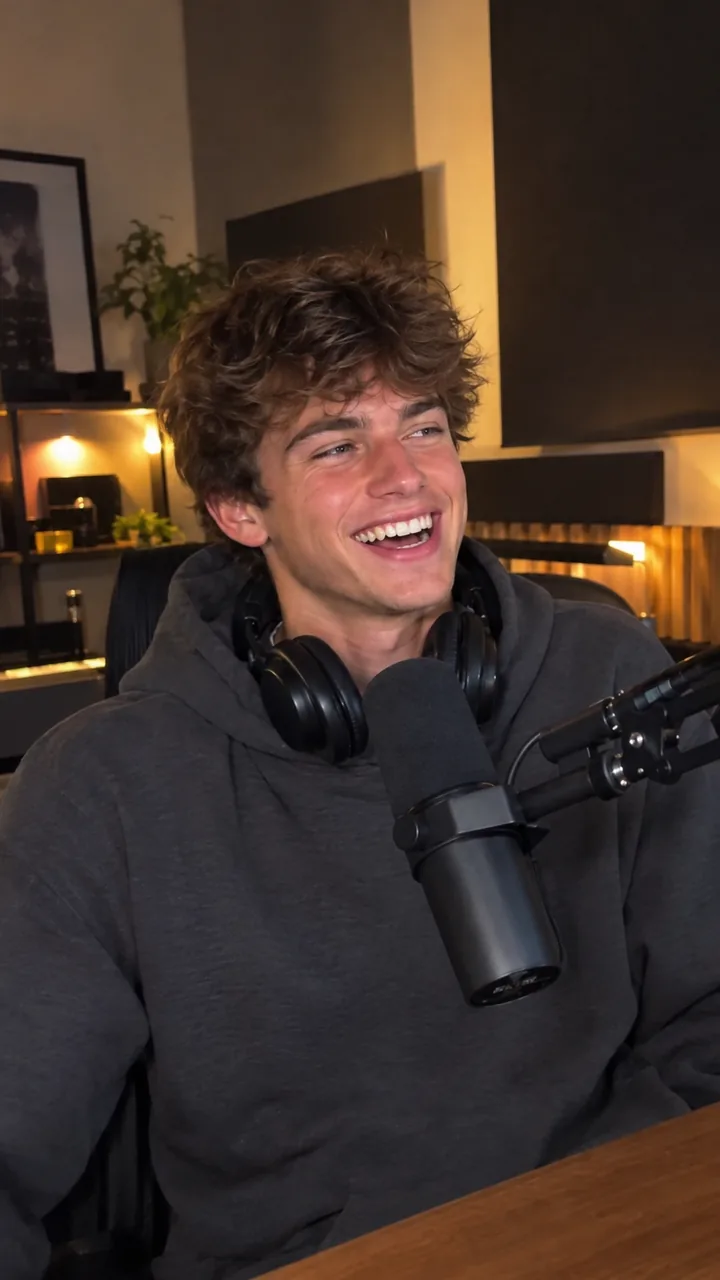
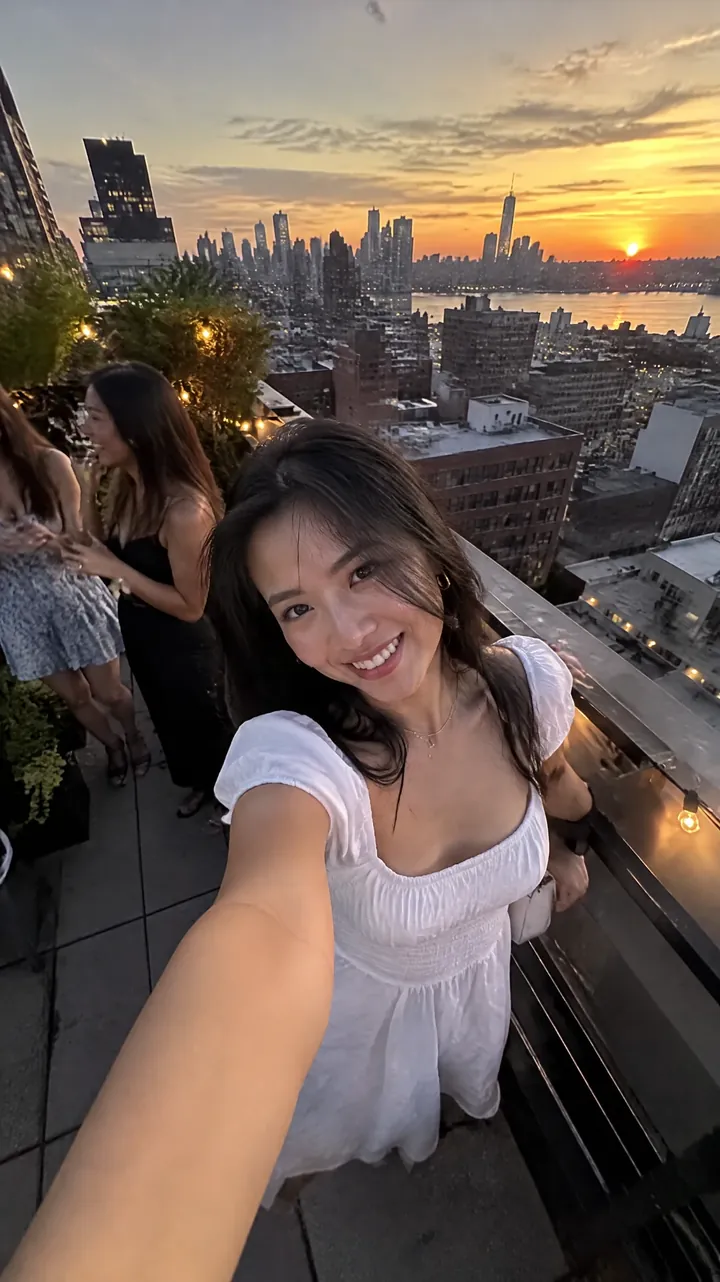
Talking head (yapper) examples
These AI UGC Ad examples are concepts to model, not case studies. Results depend on your product, offer and targeting. Talking ads, where the actor speaks straight to camera, are the workhorse of the format.

1. Problem and fix (kitchen gadget)
Hook: "If your pans still stick, it's not your cooking." Why it works: it names a pain the viewer feels and blames the right thing, so the product arrives as relief.
2. Myth-busting (sleep mask)
Hook: "Blackout curtains aren't why you're still waking up." Why it works: contradicting a common belief creates a gap the viewer wants closed.
3. Objection first (premium water bottle)
Hook: "Yes, it's $40. Here's why it's worth it." Why it works: it handles price up front, which earns trust for the rest of the ad.
4. Three reasons (carry-on bag)
Hook: "Three reasons this carry-on makes packing easier." Why it works: a numbered promise tells viewers exactly how long they will wait for the payoff. More in yapper ads.
Product demo examples
Demo ads show the product doing its job. TikTok's own guide says to "show the product in use within the first two seconds," and these concepts are built around that.
5. Before and after in one take (lint roller)
Hook: the actor rolls one stripe across a hairy sofa and says "Watch this." Why it works: the result is visible in a second, no claim needed.
6. Speed test (phone tripod)
Hook: "Setup in under ten seconds. Count with me." Why it works: the viewer measures the claim themselves while watching.
7. Wrong way vs right way (resistance bands)
Hook: "You're probably using these wrong." Why it works: it teaches something useful, and the product is the tool of the lesson. See AI unboxing and demo ads for more.
Sources: TikTok Video Advertising Guide
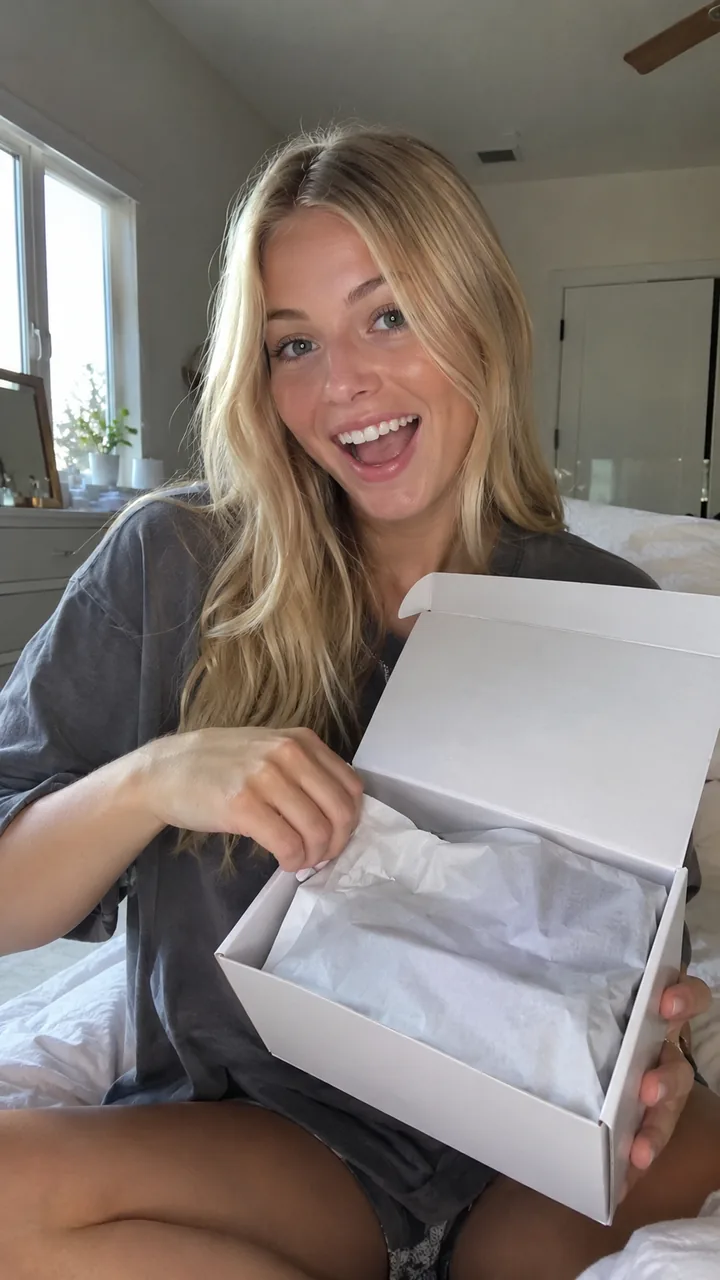
Unboxing examples
8. First impressions (candle gift set)
Hook: "Opening this before I gift it, because I might keep it." Why it works: it borrows the curiosity of a real unboxing and adds a small stake.
9. What's in the box (starter kit)
Hook: "Everything you get for one price. Let's count." Why it works: value is shown item by item rather than claimed.
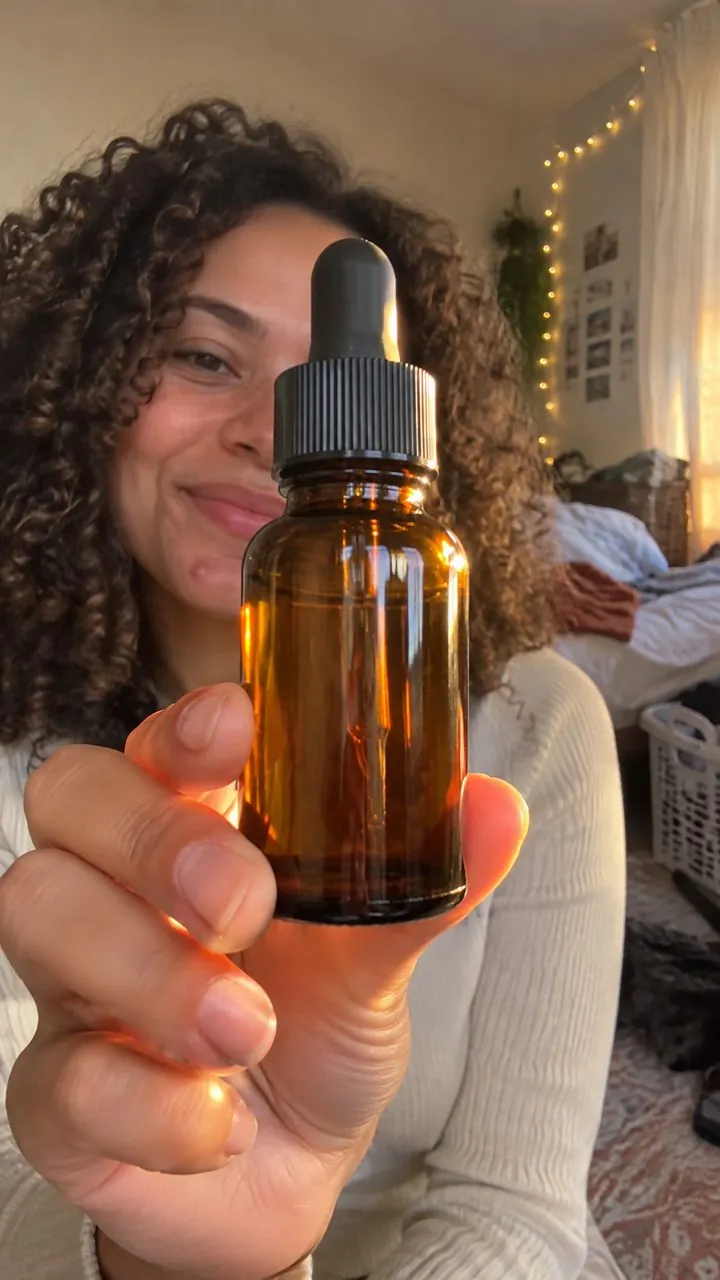
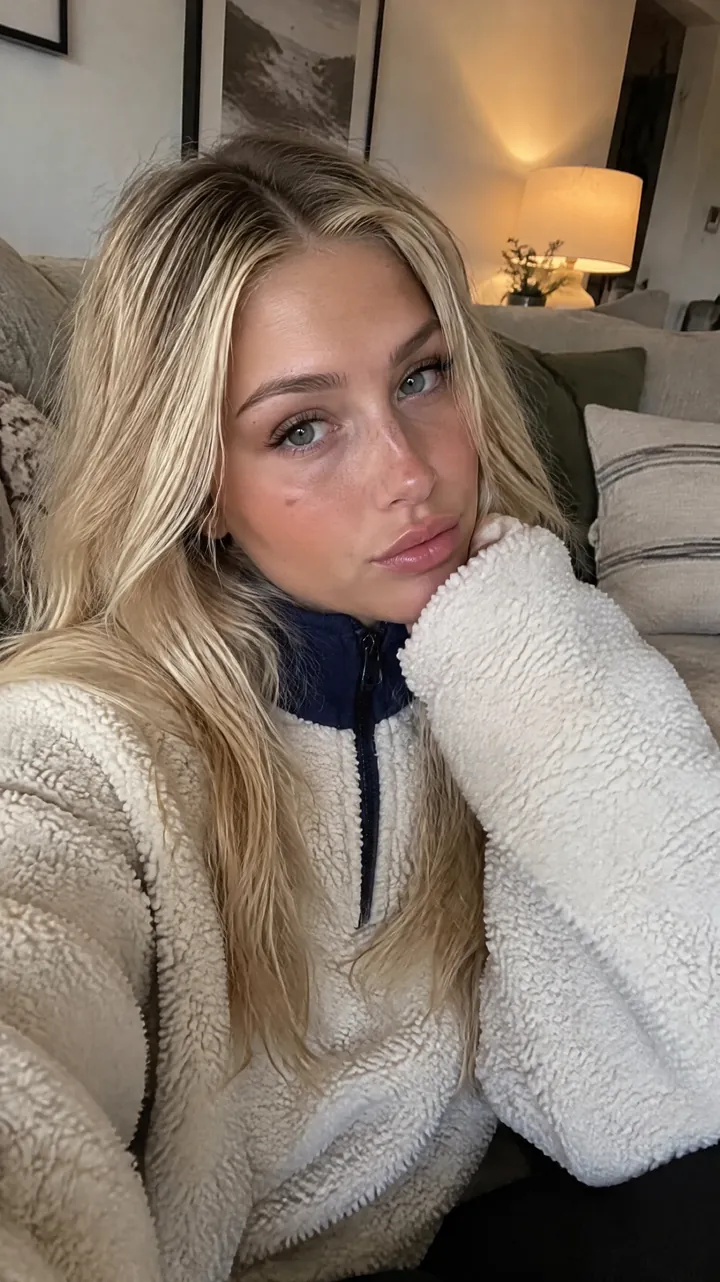
App and SaaS examples
UGC-style creative has a strong track record for apps: Liftoff's 2024 Mobile Ad Creative Index reported that influencer UGC, tested against brand content, delivered a 152% average increase in impression-to-install conversion rates.
10. "Stop doing it the hard way" (budgeting app)
Hook: "Still doing your budget in a spreadsheet every Sunday?" Why it works: a relatable before state makes the app the obvious after.
11. Contrarian (language app)
Hook: "Studying an hour a day is why you quit." Why it works: it reframes the problem in the product's favor.
12. Reveal (B2B scheduling tool)
Hook: "This is how our team stopped the 'what time works' emails." Why it works: a specific annoyance every office worker recognizes. More in AI UGC for apps.
Skincare and supplement examples (compliant)
Health and beauty need extra care. The FTC says health claims need "competent and reliable scientific evidence," and testimonials are not substantiation. So these examples sell routine, texture and experience, not cures.
13. Routine (vitamin C serum)
Hook: "A morning routine in 20 seconds, and step two is the serum." Why it works: it shows the product in a real routine without promising results.
14. Texture check (moisturizer)
Hook: "If you hate heavy creams, look at this texture." Why it works: a sensory demo is honest and persuasive.
15. Habit (daily greens powder)
Hook: "One scoop, one glass, and your greens are done for the day." Why it works: it sells convenience and taste, both claims you can stand behind.
General information, not legal advice. See AI UGC skincare ads and AI UGC supplement ads.
Hook breakdowns: the first 3 seconds of each
Meta's research found that "65% of people who watch the first three seconds of a video will watch for at least ten seconds," and TikTok tells advertisers to introduce the proposition in the first 3 seconds. Here is how the 15 examples group by hook type:
| Hook type | Examples | What happens in seconds 0 to 3 |
|---|---|---|
| Problem and fix | 1, 10 | Names a pain the viewer has right now |
| Myth or contrarian | 2, 7, 11 | Contradicts a belief, opens a gap |
| Objection | 3 | Handles price or doubt immediately |
| Number promise | 4, 9 | Tells the viewer how long the payoff takes |
| Visual proof | 5, 6, 14 | Shows the result before saying anything |
| Reveal or curiosity | 8, 12 | Promises something about to be shown |
| Routine or habit | 13, 15 | Drops the viewer into a familiar moment |
For a bigger list, see UGC Ad hooks.
Sources: Meta: Updated features for video ads, TikTok: Creative best practices
What the weak examples got wrong
Bad AI UGC is easy to spot, and the mistakes are consistent:
- Too polished. Cinematic lighting and slow camera moves read as an ad. TikTok recommends a "DIY or not overly polished style."
- Slow start. A logo, a greeting or "so I've been meaning to tell you" wastes the 3 seconds that matter most.
- No product early. Viewers leave before they learn what is being sold.
- Everything at once. Five benefits in 20 seconds means none land.
- Fake testimony. An AI actor claiming personal results nobody had risks the FTC's rule on fake testimonials.
- No captions. Many people watch on mute.
Sources: TikTok: Creative best practices, FTC final rule on fake reviews
Make your own in minutes
Every example above maps to an EchoUGC format and idea starter, so you can turn any of them into a finished ad today.
- Describe your product in one line. Add a product photo for Demo or Unboxing.
- Pick the format. Talking for examples 1 to 4 and 10 to 15, Demo for 5 to 7, Unboxing for 8 and 9.
- Pick the angle. Idea starters cover problem and fix, myth-busting, objection, contrarian, reveal and "3 reasons."
- Cast an actor. Choose from the library, auto-pick or upload your own actor photo with permission.
- Export. Download a captioned 1080p 9:16 ad, usually in minutes, ready for TikTok, Reels, Shorts and Meta.
The best sample is one made on your own product. The $11 first week gives you exactly that, and failed renders refund their credits automatically. See pricing or compare tools in best AI UGC tools.
Frequently asked questions
What does an AI UGC Ad look like?
It looks like a creator video filmed on a phone: a vertical 9:16 frame, an AI actor talking to camera or using the product, burned-in captions and a short call to action. The actor and voice are AI generated, and the ad should be labeled as AI where platforms or laws require it.
What are good UGC Ad examples?
Strong examples hook in the first 3 seconds, show the product early and focus on one benefit. Common winners are problem and fix, myth-busting, objection-first, three reasons, product demos and unboxings.
Can I see AI UGC samples before paying?
EchoUGC shows example ad stills on its site, and the $11 first week makes one finished video on your own product, which is the most useful sample. It continues on Starter at $49 a month after 7 days unless you cancel.
What's the best AI UGC format for ecommerce?
Demo and Unboxing are strong for physical products because the product is in the actor's hands, and TikTok advises showing the product in use within the first two seconds. Talking ads work best for hooks and stories.
How long are AI UGC Ads?
Many run 15 to 45 seconds. TikTok says 21 to 34 seconds performs best for video ads. EchoUGC lets you pick a length from 15 to 150 seconds, and anything up to 45 seconds costs 100 credits.
Make your first AI UGC Ad for $11
Describe your product in one line. EchoUGC writes the script, casts an AI actor and delivers a captioned 9:16 video, sized for TikTok, Reels and Shorts. The $11 first week gives you 100 credits, enough for one finished video, then continues on Starter at $49 a month after 7 days. Cancel anytime from your account.
Start creating