

- Creative fatigue is falling performance caused by repeat exposure, and Meta flags it in Ads Manager.
- Watch four numbers together: CTR, CPA, frequency and new reach.
- TikTok says to refresh on a consistently declining trend and add new creatives to the existing ad group.
- Iterate the hook before you replace the whole ad.
- A weekly refresh of five new ads costs about $45 to $60 in EchoUGC.
What creative fatigue means
Every ad has a shelf life. The first people who see it are the most likely to respond. As delivery keeps showing it to the same audience, each extra impression earns less, until the ad costs more than it returns. That slow decline is creative fatigue.
It is different from a bad ad. A bad ad never worked. A fatigued ad worked and then wore out, which means the idea is often still good. That changes the fix: you usually refresh the execution, not throw out the concept.
Sources: TikTok Video Advertising Guide, Meta video ad features
Meta's fatigue flag and frequency signals
Meta has a creative fatigue recommendation in Ads Manager that flags ads it sees wearing out. Falling performance while frequency rises is the classic pattern behind it. Use both, and track the trend yourself so you can have replacements ready before you need them.
Meta does not publish one frequency number that means "fatigued," and none would fit every account. A prospecting campaign reaching new people and a retargeting campaign hitting a small list behave very differently. What matters is the trend: frequency going up while results go down.
- Compare the last 7 days to the first 7 days the ad ran.
- Look at frequency and cost per result on the same chart.
- Check the ad level, not just the campaign, since one tired ad can drag down a healthy ad set.
Sources: Meta creative fatigue recommendations, Meta frequency guidance
TikTok's refresh guidance
TikTok's own guidance assumes creative wears out fast, and it gives three rules you can act on:
- Refresh on a consistent decline. TikTok's creative best practices say to refresh when delivery shows a "consistently declining trend," not after one bad day.
- Plan a 2 to 4 week cycle. TikTok's video advertising guide recommends refreshing creatives every 2 to 4 weeks.
- Add to the existing ad group. TikTok recommends adding new creatives to the existing ad group rather than starting over, and keeping 3 to 5 creatives per ad group.
Higher spend reaches the same people faster, so bigger budgets should plan for the shorter end of that range. For TikTok specs and structure, see AI UGC TikTok ads.
Sources: TikTok creative best practices, TikTok Video Advertising Guide
The 4 metrics to watch: CTR, CPA, frequency, new reach
No single number proves fatigue. Read these four together, at the ad level.
| Metric | Fatigue pattern | What else could cause it |
|---|---|---|
| CTR | Steady decline week over week | A new placement mix or a weaker offer |
| CPA or cost per result | Rising while budget is flat | Seasonal auction costs, tracking issues |
| Frequency | Climbing as results fall | A small audience, retargeting by design |
| New reach | Fewer first-time viewers each day | Narrow targeting or a budget cut |
If all four move the wrong way at once, it is fatigue. If only CPA moves, check tracking and the landing page before you blame the creative.
Refresh vs replace: iterate the hook first
Because up to 47% of a Meta campaign's value is delivered in the first 3 seconds, the hook is where fatigue shows first and where a refresh pays off fastest. Viewers who have seen the ad recognize the opening and scroll. A new opening makes it feel new.
- Swap the hook. Same body, same CTA, new first line. This is the cheapest refresh.
- Swap the actor or setting. Same script, a different face or location.
- Swap the format. Turn a winning Talking ad into a Demo or Unboxing version.
- Replace the concept. Only when the angle itself has stopped working across several refreshes.
A fatigued winner is a proven angle. Give it a new opening before you give it up.
Our list of 75 UGC Ad hooks is built for exactly this step.
Source: Meta video ad features
Add new creatives without resetting learning
On Meta, an ad set is "Learning limited" when it is unlikely to get about 50 optimization events in the week after the last significant edit, and creative changes count as significant edits. Constant tinkering keeps an ad set learning.
- Group it. Add a set of new ads once a week instead of one ad a day.
- Add, do not edit. Launch new ads alongside the old ones and let delivery shift, rather than editing a live ad's video.
- Pause losers in the same session. One change window per week keeps disruption contained.
- On TikTok, add to the existing ad group, as TikTok recommends.
For how many to add each time, read how many ad creatives to test.
Sources: Meta learning phase, Meta significant edits, TikTok creative best practices
Building a refresh pipeline with AI UGC
Fatigue is a supply problem. If a new ad takes weeks and about $175 from a creator (the Influee median), you refresh too late and too little. With EchoUGC, a fresh ad is one line of text and usually minutes away, for about $9 to $12.
- Every Monday, check the four metrics. List ads with falling CTR and rising frequency.
- Write new hooks for the fatigued winners. One brief per hook, since each brief makes one finished video.
- Keep the face, or change it on purpose. Picking the same saved actor keeps a series consistent; a new actor from the library makes it feel new.
- Add one new concept. Use an idea starter you have not tried: myth-busting, objection, reveal or "3 reasons."
- Download and launch as one set. 1080p 9:16 with captions, ready for Meta, Reels, TikTok and Shorts.
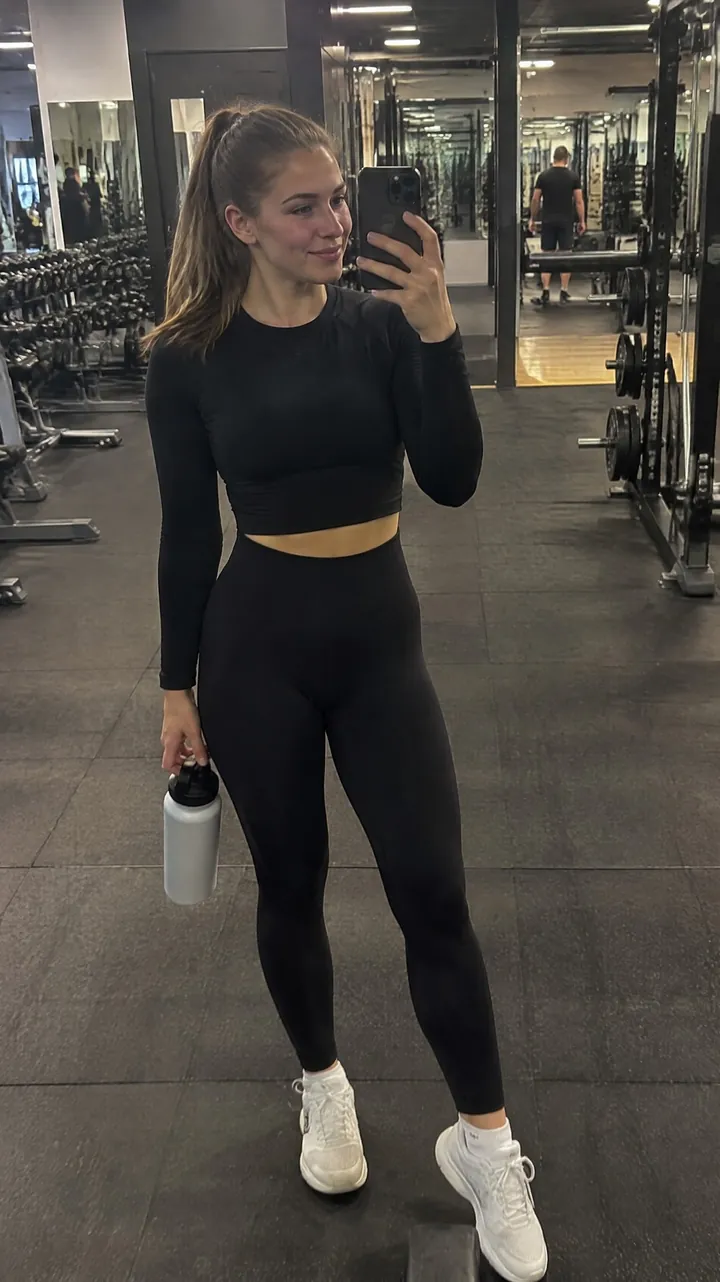
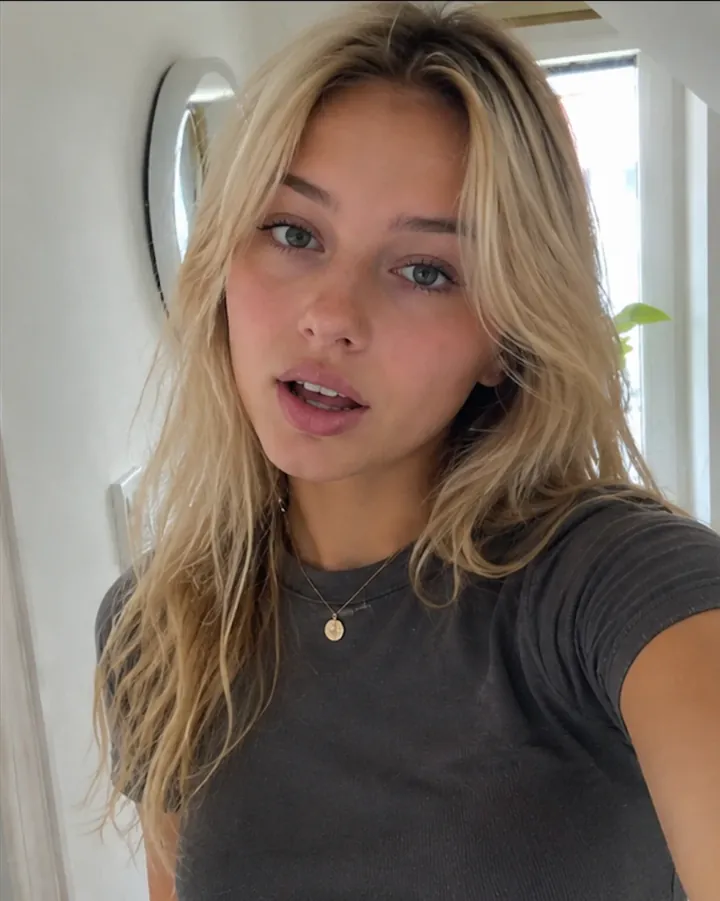

Five new ads a week is about $45 to $60. The Scale plan at $199 a month covers about 22 videos, failed renders refund automatically, and unused credits roll over. Start with one ad in the $11 first week (it continues on Starter at $49 a month after 7 days unless you cancel), or see pricing and our guide to AI UGC Facebook ads.
Source: Influee UGC rates
Frequently asked questions
What is creative fatigue in Facebook ads?
Creative fatigue is when an ad's results decline because the same people have seen it too many times. CTR falls, cost per result rises and frequency climbs. Meta can flag it in Ads Manager.
How often should I refresh ad creatives?
TikTok recommends refreshing every 2 to 4 weeks and whenever delivery shows a consistently declining trend. On Meta, refresh when CTR falls and cost per result rises as frequency climbs.
What frequency is too high on Meta?
Meta does not publish a single frequency threshold. Watch the trend: if frequency rises while CTR falls and CPA rises, the ad is likely fatigued, whatever the exact number.
How do I know if my TikTok ad is fatigued?
Look for a consistent decline in delivery and results over several days, not one bad day. TikTok says to refresh at that point by adding new creatives to the existing ad group.
Does adding new ads reset the learning phase?
Meta treats creative changes as significant edits, which can send an ad set back into learning. Group new ads into one weekly launch instead of making daily edits.
Make your first AI UGC Ad for $11
Describe your product in one line. EchoUGC writes the script, casts an AI actor and delivers a captioned 9:16 video, sized for TikTok, Reels and Shorts. The $11 first week gives you 100 credits, enough for one finished video, then continues on Starter at $49 a month after 7 days. Cancel anytime from your account.
Start creating