- Dropshipping is a volume game: test the product with several angles, not one polished ad.
- Use a 3x3 test: 3 angles, 3 ads each, one ad group per angle.
- TikTok suggests testing at $20 to $30 a day, with campaigns needing at least $50 a day.
- Never present an AI actor as a real customer, and never invent results.
- EchoUGC makes Demo and Unboxing ads from a product photo for about $9 to $12 each.
Why dropshippers need creative volume, not polish
Most dropshipping products fail, and you cannot know which ones until you spend. The cheapest way to find out is many simple ads, fast. TikTok itself recommends a DIY, not overly polished UGC look and 3 to 5 creatives per ad group (TikTok).
A typical human UGC video costs $150 to $212 with a median near $175 (Influee). Nine of those is a whole product test budget gone on creative. On EchoUGC, nine finished ads cost about $81 to $108, and you have them the same day.
Test the product, not the ad: the 3x3 method
The goal of a first test is to answer one question: does anyone want this product? The 3x3 method spreads risk so one weak ad does not kill a good product.
- Pick 3 angles. For example: the problem it solves, the "wow" demo, and the gift or unboxing moment.
- Make 3 ads per angle. Same angle, different hooks or actors. That is 9 briefs and 9 finished videos.
- One ad group per angle. 3 ad groups with 3 creatives each sits inside TikTok's recommended 3 to 5 of each.
- Read the product first. If none of the 9 ads gets real buying signals, the problem is probably the product or offer, not the creative. Move on.
- If one angle wins, brief 3 to 5 new hooks for it and add them to the existing ad group, as TikTok recommends.
Hook ideas for the second round are in UGC Ad hooks, and test sizing in how many ad creatives to test.
Formats that work for impulse products: demo, unboxing, problem/solution
| Format | Best for | EchoUGC format |
|---|---|---|
| Demo | Gadgets, kitchen tools, cleaning products | Demo (needs a product photo) |
| Unboxing | Giftable, premium-feeling or surprising products | Unboxing (needs a product photo) |
| Problem/solution | Anything that fixes an obvious annoyance | Talking, with the problem and fix idea starter |
Hook: "My smoothie used to mean washing a full blender. Not anymore."
Body: "This is [Brand] portable blender. Fruit, milk, press the button, and you drink straight from it. It charges by USB and fits in my gym bag."
CTA: "Tap the link to grab one before the weekend."
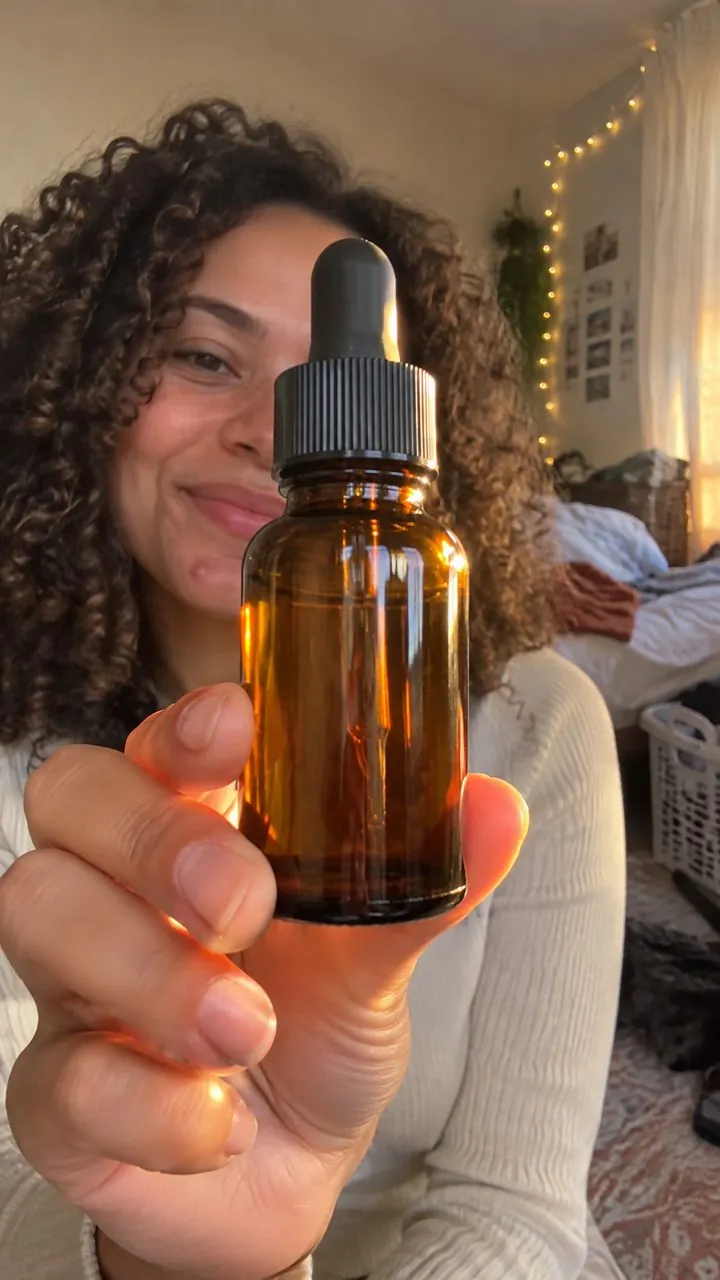
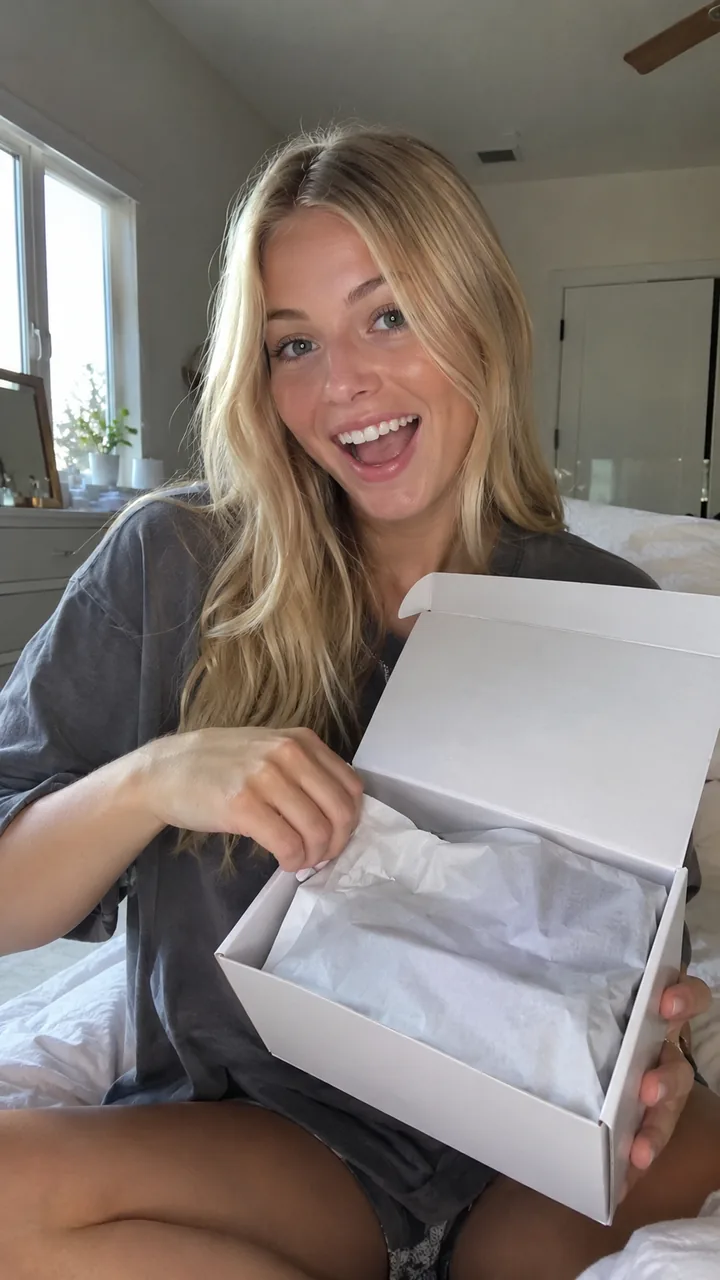
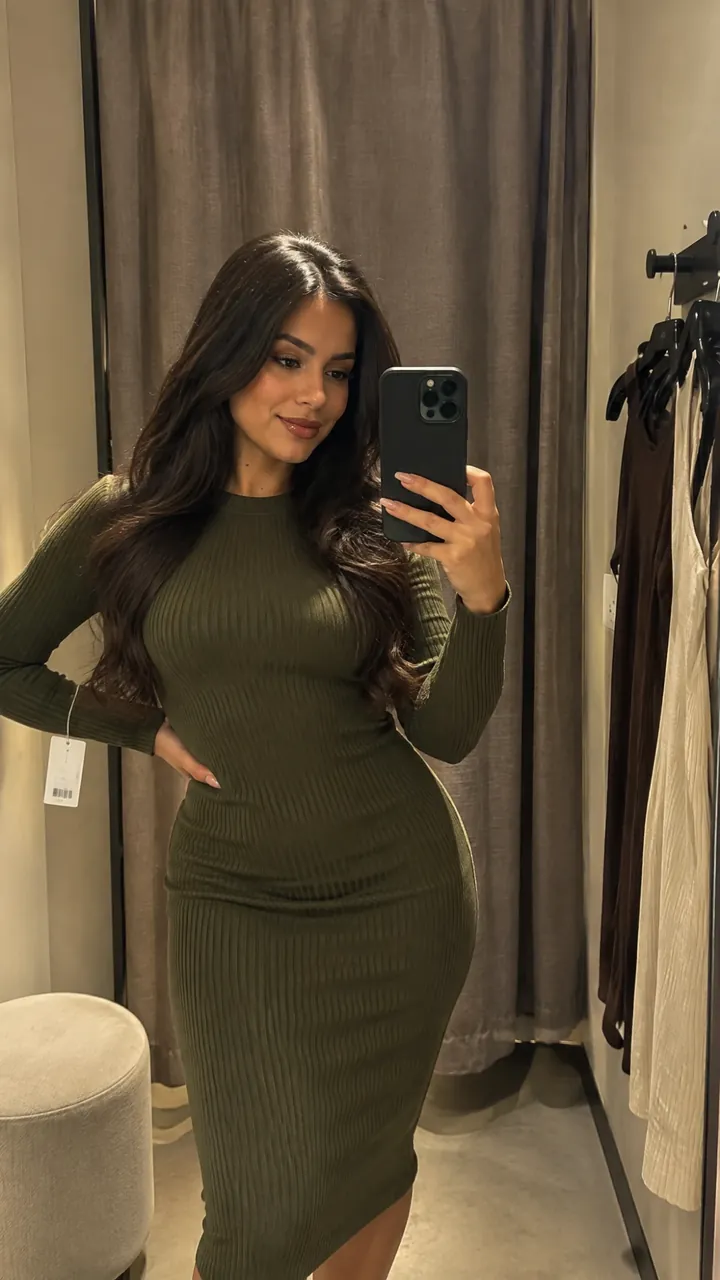
TikTok's guide recommends 21 to 34 seconds for most ads and showing the product in use within the first 2 seconds (TikTok guide). More in AI unboxing and demo ads.
Daily budget and kill rules
TikTok suggests testing at $20 to $30 a day, notes campaigns need at least $50 a day, and recommends putting 20 to 30% of budget into testing once you scale (TikTok guide). For a 3x3 test, that means about $60 to $90 a day across three ad groups.
Write your kill rules before you launch, so you do not negotiate with yourself later:
- Know your break-even CPA. Price minus product cost, shipping, fees and payment processing.
- Cap spend per ad. Pick a spend limit tied to your break-even CPA. If an ad hits it with no purchase, pause it.
- Judge angles, not single ads. One dead ad in an angle that is working means a weak hook, not a weak angle.
- Refresh before it dies. TikTok suggests refreshing creatives every 2 to 4 weeks, and when delivery shows a "consistently declining trend" (TikTok).
Claims you can't make
General information, not legal advice.
- Fake reviews. The FTC bans testimonials that misrepresent they are by someone who does not exist, including AI-generated fake reviews, and can seek civil penalties against knowing violators (FTC). An AI actor saying "I've used this for six months" about a product nobody has used is exactly that.
- Health promises. Health claims need "competent and reliable scientific evidence," and testimonials are not substantiation (FTC). Posture, weight-loss and pain products are where most dropshippers get in trouble.
- Celebrity or influencer likeness. TikTok prohibits misusing a public figure's likeness, including false endorsements (TikTok).
- Features the supplier cannot confirm. If the listing is vague, the script stays vague.
Safe angles: show the product doing what it does, explain the problem it solves, and use "you" language instead of fake "I" stories.
Labeling AI ads on TikTok and Meta
TikTok allows AI-generated ads if you apply its AIGC label or add your own clear disclaimer, caption, watermark or sticker. Undisclosed AI content gets ads rejected or restricted (TikTok). That disclaimer shows at the bottom of the in-feed ad for its full duration (TikTok).
Meta labels ads made with its own gen-AI tools "AI info" and said it would detect third-party AI ads through industry-standard signals (Meta). If you sell into New York, its synthetic performer disclosure law applies from June 9, 2026. Full steps: AI ad disclosure labels.
When to switch from AI to creator UGC
AI UGC finds the winner. Real people can help it scale. Bring in human creators when:
- A product has a proven angle and steady sales, so a $150 to $212 creator video is a safe bet.
- You need real testimonials or real before-and-after results.
- You want partnership ads through a creator's handle. Meta reports partnership ads with Advantage+ catalog ads drove a 19% reduction in cost per action (Meta).
- You move to TikTok Shop, which has its own video rules. See AI UGC for TikTok Shop.
Keep AI UGC running alongside for fresh hooks and new product tests.
Make dropshipping ads in EchoUGC
- Upload a product photo you have the right to use. EchoUGC places it in every scene.
- Write one line: what it is, who it is for, the problem it fixes.
- Choose Demo, Unboxing or Talking and an idea starter such as problem and fix or "3 reasons."
- Cast an actor or use auto-pick, then set the movement: lively suits impulse products in Talking ads, while Demo and Unboxing offer still or natural.
- Export a 1080p 9:16 ad with captions, ready in minutes. Repeat for all 9 briefs.
Failed renders refund automatically, unused credits roll over, and the Scale plan's 2,200 credits cover about 22 videos a month, enough for two full 3x3 product tests. Start with the $11 first week on your next product; it continues on Starter at $49 a month after 7 days unless you cancel from your account.
Frequently asked questions
Is AI UGC good for dropshipping?
Yes, for testing. AI UGC lets you make several creator-style video ads per product for about $9 to $12 each on EchoUGC, so you can find out whether a product sells before spending on creators or inventory.
How many ads should I test per dropshipping product?
A common structure is 9: three angles with three ads each, one ad group per angle. That fits TikTok's recommendation of 3 to 5 creatives per ad group and 3 to 5 ad groups per campaign.
Can I use AI UGC without having the product?
EchoUGC's Demo and Unboxing formats need a product photo, and Talking ads need none. Even so, order a sample before scaling so your claims match what customers receive, and never present an AI actor as someone who used the product.
Will TikTok ban AI dropshipping ads?
TikTok allows AI-generated ads that are disclosed with its AIGC label or your own clear disclaimer. Undisclosed AI content can be rejected or restricted, and fake endorsements or misleading claims break its policies regardless of AI.
What budget do I need to test a dropshipping product?
TikTok suggests testing at $20 to $30 a day per test and notes campaigns need at least $50 a day. A 3x3 test runs about $60 to $90 a day in ads, plus roughly $81 to $108 for nine EchoUGC videos.
Make your first AI UGC Ad for $11
Describe your product in one line. EchoUGC writes the script, casts an AI actor and delivers a captioned 9:16 video, sized for TikTok, Reels and Shorts. The $11 first week gives you 100 credits, enough for one finished video, then continues on Starter at $49 a month after 7 days. Cancel anytime from your account.
Start creating