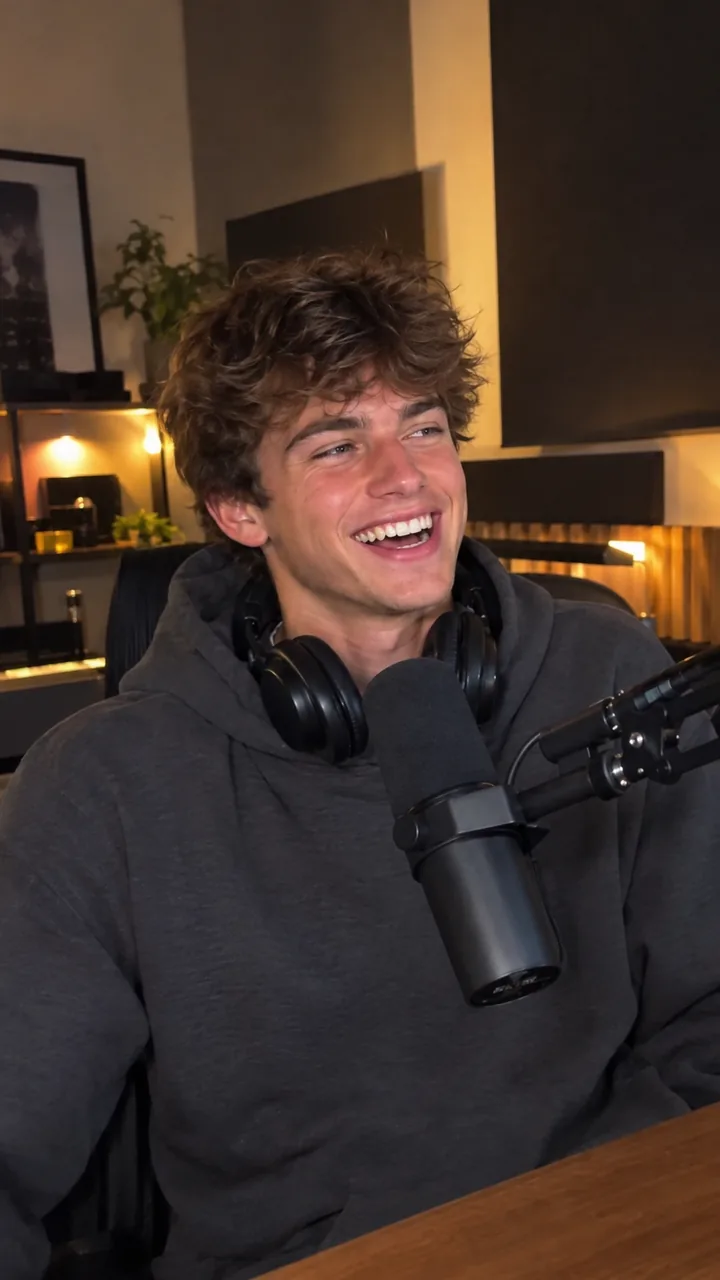
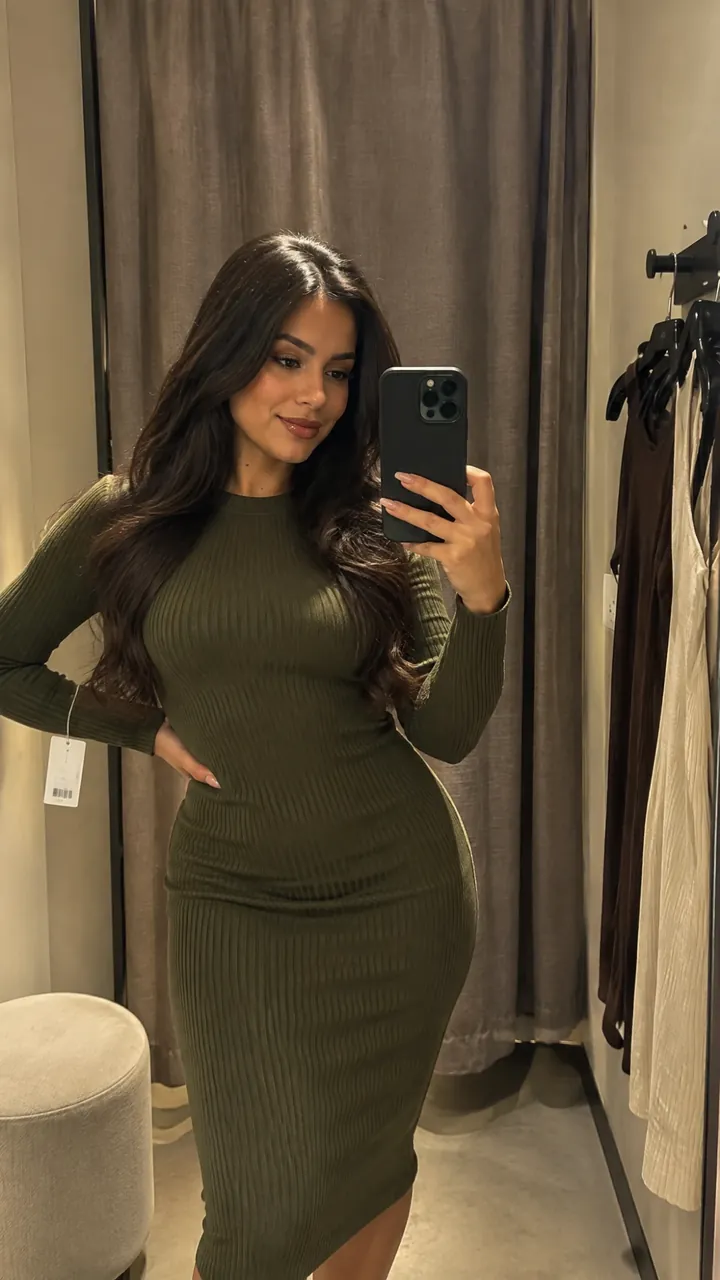

- Cost: about $9 to $12 per finished AI ad in EchoUGC vs $150 to $1,200 per human creator video.
- Speed: AI delivers in minutes; creators need briefing, product shipping and revisions.
- Human creators win on authentic testimonials and partnership ads (Meta reports 19% lower cost per action).
- The same FTC truth rules apply to both. AI also needs platform labels.
- Best of both: find the winning angle with AI, then pay a creator to scale it.
Side-by-side: cost, turnaround, volume, trust, rights
| AI UGC (EchoUGC) | Human UGC | |
|---|---|---|
| Cost per video | About $9 to $12, finished | About $150 to $212 typical (Influee), $500 to $1,200 for most pros (JoinBrands) |
| Turnaround | Minutes from brief to export | Find, brief, ship product, film, revise |
| Volume | As many briefs as your credits allow | Limited by budget and creator availability |
| Testimonials | Must reflect real customer experience | Genuine first-person stories |
| Disclosure | AI label on TikTok; laws in New York and the EU | Paid relationship disclosure |
| Likeness | Stock AI actors, or your own actor photo with permission | Usage rights negotiated per creator |
| Best for | Hook testing, angles, refreshes, scale | Trust, high-ticket, partnership ads |
This is a format comparison. For tool-by-tool comparisons, see our comparison hub.
Sources: Influee, JoinBrands
Cost per video and per variation
Human UGC pricing is consistent across sources. Influee reports a typical video costs $150 to $212, with a median around $175, and bundles of 5 or more get 15 to 25% off. JoinBrands says most professional creators charge $500 to $1,200 per video and beginners $150 to $400. Collabstr marketplace data shows an average asking price of $180 and an average paid price of $154.
The gap widens with variations. With a creator, each extra hook or cut-down is extra filming. With EchoUGC, each new hook is a new one-line brief and another finished video at about $9 to $12. Vendor estimates for AI UGC across the market range from $2 to $20 per creative. See the full breakdown in how much AI UGC costs.
Sources: Influee, JoinBrands, Knowlify (Collabstr data), Cinerads (vendor)
Speed: minutes vs a production cycle
Hiring a creator is a small project: find someone who fits the buyer, agree on rates and usage rights, ship the product, wait for filming, review, request changes. Each step depends on someone else's calendar.
AI UGC is a single sitting. In EchoUGC you describe the product in one line, pick a format and an actor, and brief to export takes minutes. That speed matters most when an ad starts to fatigue. TikTok recommends refreshing creatives every 2 to 4 weeks. With AI, the refresh is ready the same afternoon.
A creator brief starts a process. An AI brief ends with an ad.
Source: TikTok Video Advertising Guide
Performance by funnel stage
- Top of funnel (stop the scroll): the hook does most of the work, and hooks need volume to find. AI UGC fits here. In a $15K skincare test described by Segwise, the team produced about 30 AI variants for the cost of 3 human videos.
- Middle (explain and demo): both work. A Demo-format AI ad shows the product in use within seconds, which TikTok recommends doing in the first 2.
- Bottom (trust and purchase): human creators have the edge. In that same test, human UGC won on pure ROAS. TikTok's own analysis found adding creators to native content lifted ad recall by 27%, versus 19% for native creative alone. Meta reports a 19% lower cost per action for partnership ads combined with Advantage+ catalog ads.
Read more in do AI UGC Ads work.
Sources: Segwise, TikTok Marketing Science, Meta Advantage+ catalog ads
Trust and disclosure differences
Both formats live under the same truth rules. The FTC's fake reviews rule bans fake or false testimonials whoever delivers them, and its Q&A says there is no blanket prohibition on AI avatars in marketing. A human creator paid to praise your product needs to disclose that relationship under the FTC's Endorsement Guides. An AI actor needs a different label: TikTok requires its AIGC label or your own clear disclaimer, and New York requires conspicuous disclosure of synthetic performers in ads from June 9, 2026.
Consumers notice the difference. Smartly's 2025 study found only 13% of US consumers trust an ad made entirely by AI the most, while 73% said it is okay for AI to help make ads if that makes them more relevant. That is why AI UGC works best with specific, useful scripts, and why human faces still matter for the final, trust-heavy push. More in is AI UGC legal.
Sources: FTC rule Q&A, FTC Endorsement Guides, TikTok ads policy, Cooley on New York law, Smartly
Which verticals favor which
| Vertical | Lean | Why |
|---|---|---|
| Apps and SaaS | AI first | Many angles to test; Liftoff found influencer UGC raised app impression-to-install conversion by an average of 152% compared with brand content |
| Ecommerce and dropshipping | AI first | Fast product testing and constant creative refreshes |
| Beauty and skincare | Hybrid | AI for hooks and demos; real people for genuine results |
| Supplements and health | Hybrid, careful | FTC requires real scientific evidence for health claims |
| High-ticket and services | Human first | Trust and personal proof do the selling |
Guides by vertical: apps, skincare, dropshipping.
The hybrid model: test with AI in EchoUGC, scale winners with creators
You do not have to pick a side. A practical setup uses each format for what it does best, and EchoUGC is built to be the testing half.
- Write 5 to 10 briefs in EchoUGC. One line each, one angle each: problem and fix, myth-busting, objection, contrarian, reveal, "3 reasons". Each brief becomes a finished 9:16 ad with script, AI actor, lip-sync and captions.
- Launch 3 to 5 per ad group, as TikTok recommends, and let them run.
- Keep the winning angle. Try it in Demo or Unboxing format with your product photo in every scene.
- Hand the proven script to a creator. Now you pay $150 or more for a video you already know works.
Ten EchoUGC tests cost about $90 to $120, less than a single typical creator video. Failed renders refund automatically and unused credits roll over. Try one ad on your own product for $11. See pricing.
Source: TikTok creative best practices
Frequently asked questions
Is AI UGC better than real UGC?
It is better for cost, speed and volume: about $9 to $12 per finished ad in EchoUGC versus $150 to $1,200 for a creator video. Real UGC is better for genuine testimonials, partnership ads and trust-heavy offers. Many brands use both.
Can AI UGC replace UGC creators?
For testing hooks, angles and refreshes, largely yes. For authentic testimonials and partnership ads that run through a creator's own account, no. The hybrid model uses AI to find winners and creators to scale them.
Which converts better, AI or human UGC?
It depends on the funnel stage. In a $15K skincare test described by Segwise, human UGC won on pure ROAS while AI UGC won on variants per dollar, and a human re-shoot of the winning AI hook beat the AI original.
Should I use AI UGC or hire creators?
Start with AI UGC to test many angles cheaply, then hire creators to remake the proven winners. That way you only pay creator rates for scripts you already know work.
Do I need to disclose real creator ads too?
Yes. Paid creator content needs to disclose the brand relationship under FTC endorsement rules. AI UGC additionally needs AI labels on platforms like TikTok and conspicuous disclosure in New York from June 9, 2026.
Make your first AI UGC Ad for $11
Describe your product in one line. EchoUGC writes the script, casts an AI actor and delivers a captioned 9:16 video, sized for TikTok, Reels and Shorts. The $11 first week gives you 100 credits, enough for one finished video, then continues on Starter at $49 a month after 7 days. Cancel anytime from your account.
Start creating