

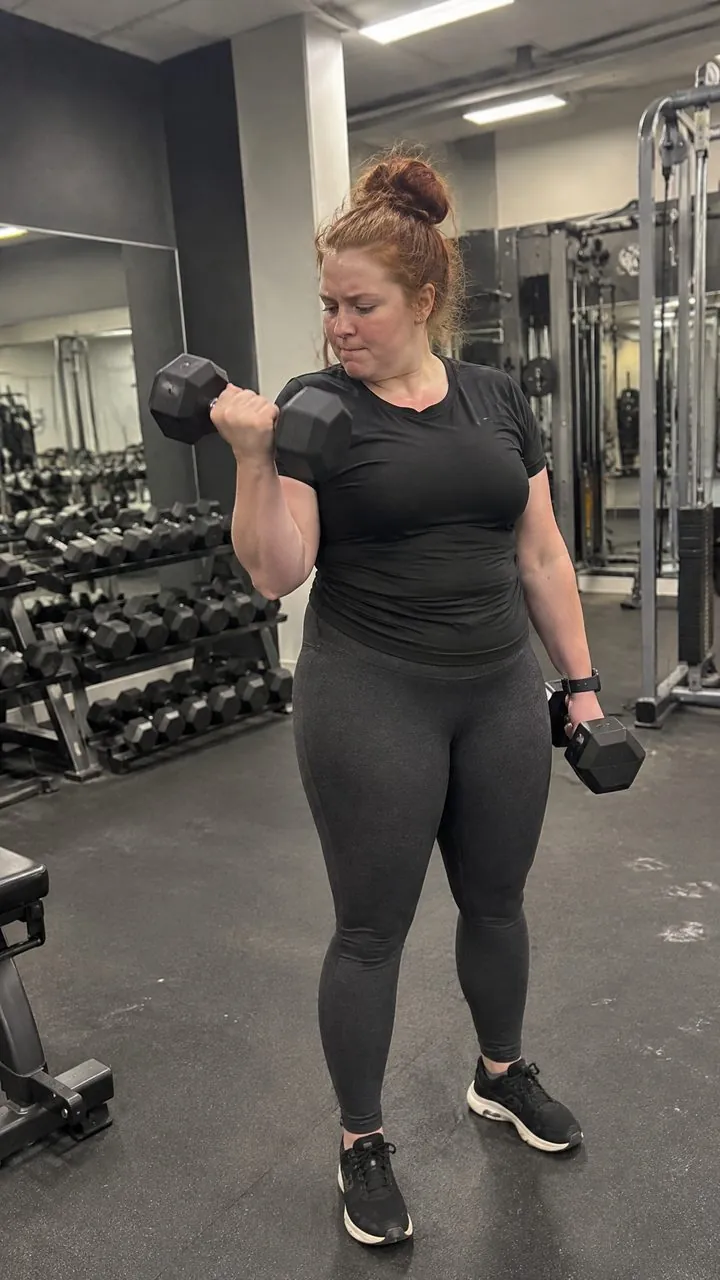

- Platforms favor UGC-style creative: TikTok recommends a DIY, not overly polished look.
- AI UGC wins on volume and cost per test. Human UGC still tends to win on trust and final ROAS.
- In a Smartly study only 13% of US consumers said they trust an ad made entirely by AI the most, but 73% said AI can help make ads if that makes them more relevant.
- Most ads fail regardless of who makes them: only 5 to 8% become real winners.
- At about $9 to $12 per finished ad, EchoUGC lets you run a real test for less than one creator video.
The honest answer: for testing, yes; for trust-heavy offers, it depends
Search Reddit for "does AI UGC work" and you will find two camps: people who say it saved their ad account and people who say it flopped. Both are usually right about their own situation. AI UGC is a format, not a magic button. It works when the job is producing many decent, native-looking ads fast so you can find the angle that sells. It struggles when the job is earning deep trust, like a $2,000 purchase or a sensitive health decision.
So the useful question is not "does AI UGC work?" but "what job am I hiring it for?" The rest of this guide answers that with data.
What platforms say about UGC-style creative
- TikTok tells advertisers to use a DIY, not overly polished UGC look in its creative best practices. AI UGC is built to look like exactly that.
- Liftoff's 2024 Mobile Ad Creative Index, based on more than 602 billion impressions, found influencer UGC raised impression-to-install conversion by an average of 152% compared with brand content.
- TikTok's own analysis found native creative increased ad recall by 19%, and adding creators to native content lifted it by 27%.
- Meta says the combined revenue run-rate of its video generation tools hit $10 billion in Q4 2025. Advertisers are already using AI video at scale.
None of these studies isolate AI actors. What they show is that the UGC format performs, and AI UGC is a low-cost way to produce that format.
Sources: TikTok creative best practices, Liftoff, TikTok Marketing Science, Meta
Where AI UGC wins: volume, speed, hook testing
The best public example of a head-to-head test is a $15K skincare test described by Segwise, originally documented by a media buyer on r/FacebookAds. Same offer, same audience, same landing page. The team produced roughly 30 AI variants for the cost of 3 human videos. Human UGC took the pure ROAS crown, AI UGC took the variants-per-dollar crown, and the team described neither result as a knockout.
The most interesting part came after. The team took the winning AI hook and had a human creator re-shoot it. That version beat the original AI ad on ROAS. AI found the message; a human scaled it.
AI UGC is how you find the winning message. It does not have to be the final messenger.
This is where AI UGC is strongest: cheap, fast iterations on hooks, angles and formats. Meta's ad retrieval system, Andromeda, was even built "to scale up to a large volume of ads creatives, empowering the adoption of GenAI."
Sources: Segwise, Meta Engineering
Where human UGC still wins: testimonials, high-ticket
- Real testimonials. A genuine customer telling their own story carries weight an AI actor cannot legally fake. The FTC bans fake testimonials, including ones attributed to people who do not exist.
- Partnership ads. Meta reports a 19% reduction in cost per action for partnership ads combined with Advantage+ catalog ads. Those run through a real creator's account and audience.
- High-ticket and trust-heavy offers, where buyers want to see real hands, real homes and real results.
For the full side-by-side, read AI UGC vs human UGC.
Sources: FTC, Meta Advantage+ catalog ads
What consumers say about AI ads
Smartly's 2025 study of 1,351 US consumers found only 13% trust an ad created entirely by AI the most, while 73% said it is okay for AI to help make ads if that makes them more relevant. Read that carefully: people are not against AI in ads. They are against ads that feel empty, generic or deceptive.
That has two practical consequences. First, the script and the offer matter more than the rendering: an AI actor saying something specific and useful lands better than a polished one saying nothing. Second, disclose honestly. TikTok requires AI labels and rejects or restricts undisclosed AI ads, and hiding it only makes the eventual "wait, is this AI?" moment worse. See how to make realistic AI UGC.
Sources: Smartly, TikTok ads policy
Why most AI UGC Ads fail (and it is not the AI)
A 2026 benchmark of more than 550,000 Meta ads found only 5 to 8% become real winners. Most ads fail, period. When an AI UGC test flops, it is usually one of these:
- A weak hook. TikTok says to prioritize the hook in the first 6 seconds and introduce the proposition in the first 3.
- The product shows up late. TikTok's video guide says to show the product in use within the first 2 seconds.
- Too few ads tested. With a 5 to 8% win rate, testing two ads and quitting proves nothing.
- Too polished. Glossy, brand-voice scripts read like ads, which is exactly what UGC is meant to avoid.
- No captions. Meta found 41% of videos were basically meaningless without sound.
Sources: 2026 creative benchmarks (Runneth), TikTok creative best practices, TikTok Video Advertising Guide, Meta video tips
How to run a fair AI vs human test
- Hold everything else constant. Same offer, audience, landing page and budget per ad.
- Test angles, not just faces. Make 3 to 5 AI ads per ad group with different hooks, as TikTok recommends.
- Budget enough to learn. TikTok suggests $20 to $30 a day per test and putting 20 to 30% of budget into testing.
- Compare cost per result and cost per test. One number tells you which ad sold; the other tells you how cheaply you found out.
- Re-make the winner. Try the winning AI angle with a different actor, a Demo format, or a human creator.
More on volume in how many ad creatives to test.
Is AI UGC worth it for your budget? Test it in EchoUGC
Here is the math that makes AI UGC worth it for most brands. Influee puts a typical human UGC video at $150 to $212. An EchoUGC ad costs about $9 to $12, finished: AI-written script, realistic AI actor with native lip-sync, your product in every scene and burned-in captions in 9:16. For the price of one creator video, you can test more than a dozen angles.
- Start with the $11 first week and make one ad on your own product.
- Pick an angle from the idea starters: problem and fix, myth-busting, objection, contrarian, reveal or "3 reasons".
- Run it against your current best ad with a small test budget.
- Scale the volume on Scale at about $9 a video if it earns its place.
Failed renders and quality-check rejections refund automatically, so you only pay for ads you can actually run. See pricing.
Source: Influee UGC rates
Frequently asked questions
Do AI UGC Ads convert?
They can. AI UGC uses the UGC style platforms recommend, and its low cost lets you test many angles to find the ones that convert. In a skincare test described by Segwise, human UGC won on pure ROAS while AI UGC produced about 30 variants for the cost of 3 human videos.
Can people tell an ad is AI?
Sometimes, especially with stiff scripts or poor lip-sync. Platforms like TikTok also require AI labels. Natural, specific scripts and believable actors matter more than hiding it, and in a Smartly study only 13% of US consumers said they trust an ad made entirely by AI the most, so relevance is key.
Is AI UGC worth it for small brands?
Usually, yes. A typical human UGC video costs $150 to $212 on Influee, while a finished EchoUGC ad costs about $9 to $12, so small budgets can test far more angles before committing to creators.
What does Reddit say about AI UGC Ads?
Opinions are split. One media buyer's r/FacebookAds writeup of a $15K skincare test, summarized by Segwise, found human UGC won on ROAS and AI UGC won on variants per dollar, and a human re-shoot of the winning AI hook performed best.
Is AI UGC profitable?
It depends on your offer and testing discipline. Only 5 to 8% of ads become real winners in a 2026 benchmark, so profitability comes from testing enough angles cheaply. Lower cost per test means a lower cost per winning ad.
Make your first AI UGC Ad for $11
Describe your product in one line. EchoUGC writes the script, casts an AI actor and delivers a captioned 9:16 video, sized for TikTok, Reels and Shorts. The $11 first week gives you 100 credits, enough for one finished video, then continues on Starter at $49 a month after 7 days. Cancel anytime from your account.
Start creating