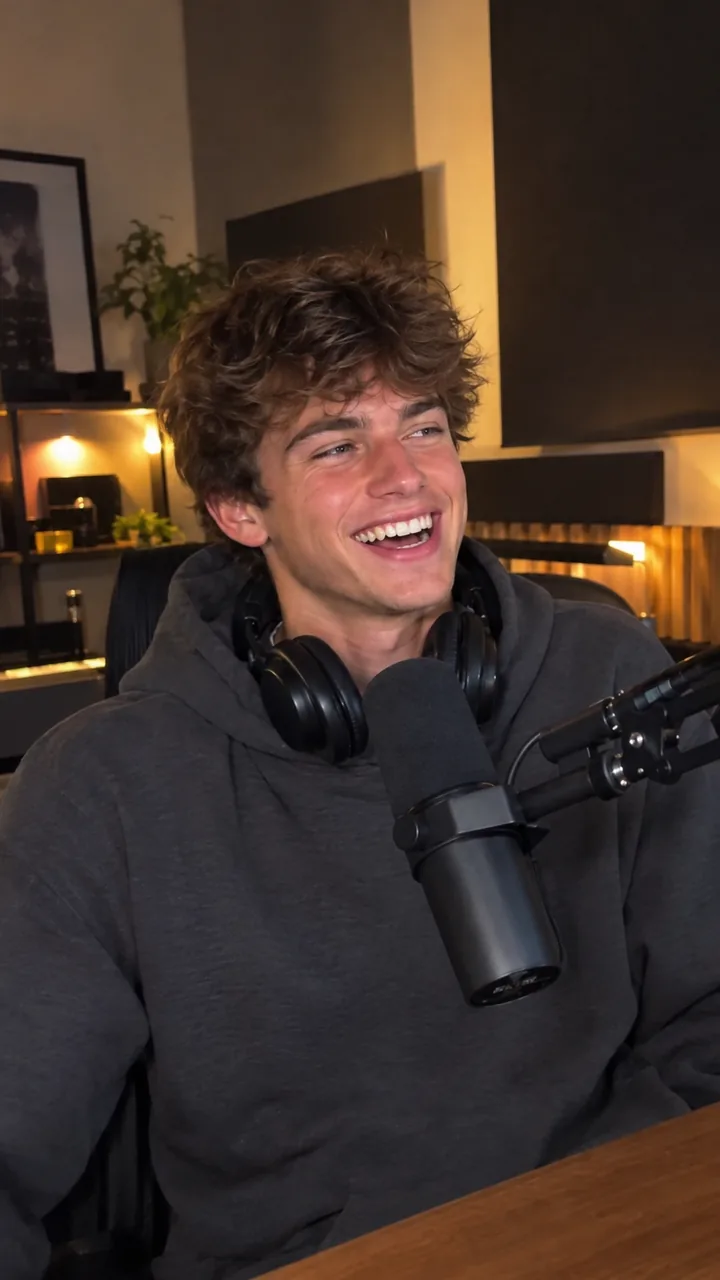
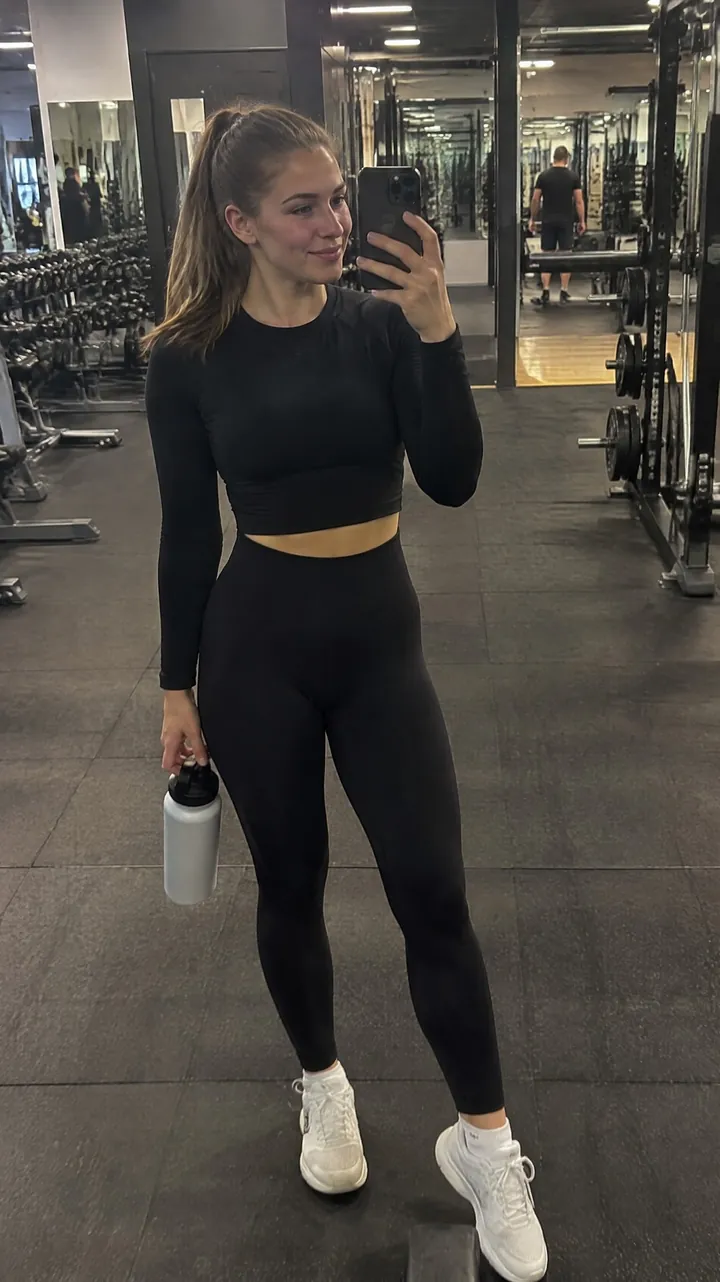
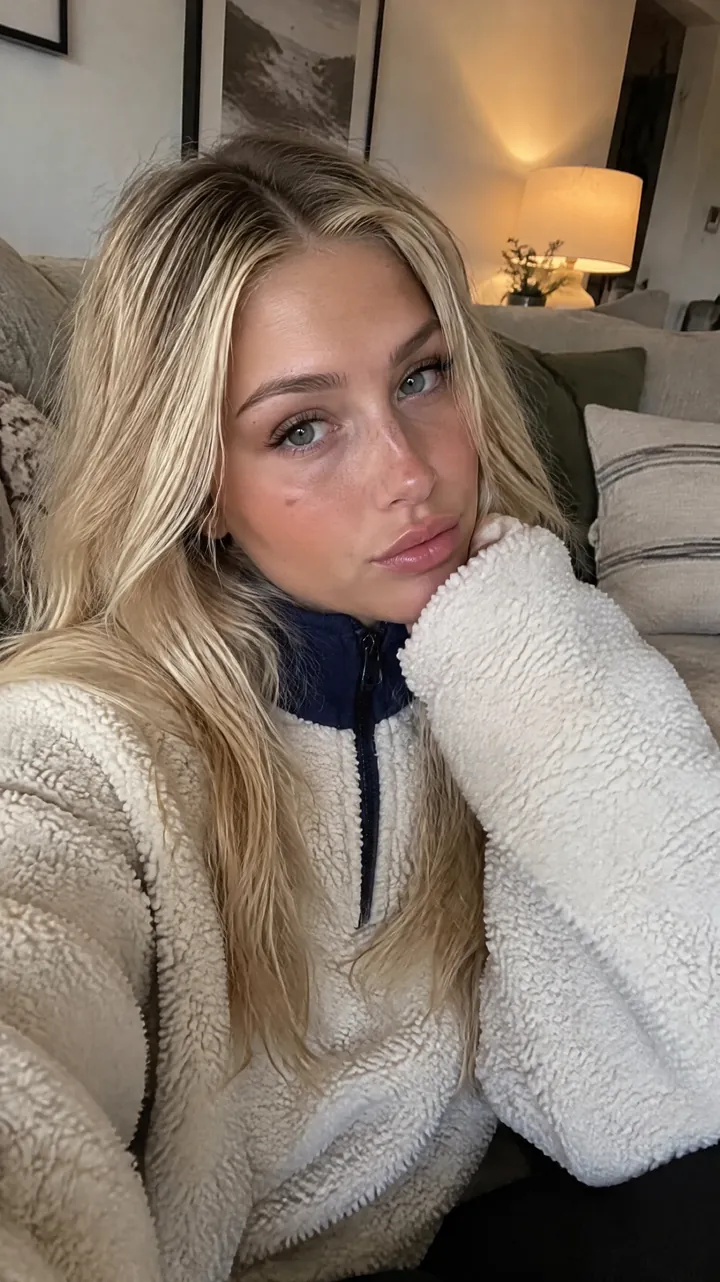
- An AI actor is a generated person built to look like an everyday creator filming on a phone.
- Stock actors come from a library; custom actors need the real person's permission.
- AI actors are strongest for hooks, explainers, demos and fast creative testing.
- They cannot be real customers, so never present an AI actor as a genuine reviewer.
- EchoUGC turns one line about your product into a finished AI actor ad for about $9 to $12.
AI actors vs AI avatars vs digital twins
Vendors use these words loosely, and they overlap. Here is the practical split that matters when you are buying or briefing ads:
| Term | What it is | Typical use |
|---|---|---|
| AI actor | A realistic generated person styled like a normal creator, filmed in a kitchen, car, gym or bedroom look | UGC-style ads, hooks, demos, unboxings |
| AI avatar | The broad category: any digital presenter, from cartoon to photoreal, often in front of a plain backdrop | Training, explainers, corporate video |
| Digital twin | An AI version of one specific real person, built from their photo or footage with consent | Founders, spokespeople, creators licensing their likeness |
For performance ads, "AI actor" almost always means the photoreal, handheld, slightly imperfect look of user-generated content. If the whole category is new to you, start with our guide to what AI UGC is, then come back here for the actor side.
How an AI actor ad is made (script to lip-sync)
Under the hood, every AI actor ad goes through the same pipeline. Good tools hide most of it from you.
- Brief. You describe the product, the buyer and the angle. In EchoUGC that is one line, plus an optional product photo.
- Script. The hook, body and call to action are written for spoken delivery, not for reading.
- Casting. An actor is chosen to match the buyer: age, style, setting and energy.
- Voice and lip-sync. The script becomes speech, and the actor's mouth, face and head movement are generated to match every syllable.
- Scenes and product. The actor is placed in a believable location, and the product appears in shot if the format calls for it.
- Captions and export. Burned-in captions are added and the video is exported as a 9:16 vertical file for TikTok, Reels, Shorts and Meta.
Done by hand with separate tools, that chain takes hours of stitching. EchoUGC runs all six steps from one brief and goes from brief to export in minutes. See the full walkthrough in how to make AI UGC Ads.
Stock actors vs custom actors (and consent)
Stock actors are ready-made people in a tool's library. The big platforms build them from licensed humans: TikTok describes its own Symphony stock avatars as "pre-built avatars created using paid actors that are licensed for commercial use." That is the model to look for: someone agreed to this, and you are not borrowing a face.
Custom actors are built from a photo of a specific person: you, a founder, a team member or a hired model. The rule is simple. Get clear, written permission from that person for advertising use. TikTok removes content that uses a private individual's likeness without permission and prohibits misusing a public figure's likeness, including false endorsements, per its misleading and false content policy. The FTC also notes that using a celebrity avatar without permission can violate its reviews and testimonials rule.
In EchoUGC you can do either: pick from the AI actor library (browse by category such as Gen Z, parents, fitness or beauty, filter by gender, age, setting and skin tone, and see every actor in a few different rooms; adding one is free), let auto-pick choose for you, keep the actors you add in Your actors to reuse across ads, upload your own actor photo with that person's permission, or create a new actor as an AI image for 5 credits.
Where AI actors work best in ads
A typical human UGC video costs $150 to $212 on Influee, and professional creators often charge $500 to $1,200 per video according to JoinBrands. At roughly $9 to $12 per finished EchoUGC video, AI actors change what you can afford to test:
- Hook testing. Run five openings for the price of one creator video and keep the winner.
- Talking-head explainers. "Here is why this works" ads, also called yapper ads.
- Demos and unboxings. With a product photo, the actor shows or opens your product on camera.
- Objection handling. One ad per objection: price, fit, taste, "does it actually work."
- Volume for algorithms. Meta built its Andromeda retrieval system to "scale up to a large volume of ads creatives, empowering the adoption of GenAI."
Where they fall short
AI actors are a production tool, not a substitute for proof. Be honest about the gaps:
- Trust in fully AI ads is low. In Smartly's 2025 consumer research, just 13% said they trust ads created entirely by AI, while 48% trust ads co-created by a person with AI support (Smartly). Relevance and a strong offer matter more than ever.
- They are not customers. An AI actor never used your product, so it cannot give a real testimonial or show real results.
- Health and results claims need evidence. The FTC says health claims need "competent and reliable scientific evidence," and testimonials are not substantiation (FTC).
- No audience. An AI actor has no followers, so it cannot replace creator whitelisting or partnership ads.
Use AI actors to explain, demonstrate and test. Use real customers to prove.
Rules: labels, likeness and testimonials
General information, not legal advice.
- FTC (US). The rule "has no blanket prohibition on the use of AI-generated avatars in marketing." An avatar testimonial is a problem when the underlying testimonial is fake or false. The rule itself bans reviews that misrepresent that they are by someone who does not exist.
- New York. Since June 9, 2026, ads using a "synthetic performer," a generated asset that gives the impression of a human performance by someone not recognizable as an identifiable person, must conspicuously disclose it when the advertiser knows. Penalties are $1,000 for a first violation and $5,000 for each later one (Cooley).
- TikTok. Fully AI-generated video must carry the AIGC label or your own clear disclaimer, or the ad can be rejected or restricted (TikTok).
- Meta. Ads made or significantly edited with Meta's own gen-AI tools get an "AI info" label, and Meta said it would detect third-party AI ads through industry-standard signals (Meta).
AI actors are legal to use; they just have to be disclosed where required and say true things. Platform-by-platform steps are in how to label AI ads, and the law is covered in is AI UGC legal.
Choosing an AI actor for your buyer
The actor is the first thing a scroller judges. Cast like a creative strategist, not like a stock photo buyer:
- Mirror the buyer. Match age, life stage and style to the person you want to stop.
- Put them where the product lives. Skincare in a bathroom, protein in a gym, a gadget at a desk.
- Set the energy. Calm for sleep and wellness, lively for gadgets and impulse buys. EchoUGC offers still, natural or lively movement for Talking ads, and still or natural for Demo and Unboxing.
- No fake credentials. Do not dress an actor as a doctor or imply expertise they do not have.
- Test actors, not just hooks. Write the same script into two or three briefs with different actors and let spend decide.

Make an AI actor ad in EchoUGC
- Write one line. Say what the product is and who it is for. Add a product photo if you want it in every scene.
- Pick a format. Talking for hooks and stories, Demo to show it in use, or Unboxing to open the box on camera.
- Cast. Choose an actor from the library, use auto-pick, reuse one from Your actors or upload your own actor photo with permission.
- Use an idea starter. Problem and fix, myth-busting, objection, contrarian, reveal or "3 reasons."
- Export. Get a finished 1080p 9:16 video with native lip-sync and burned-in captions, ready in minutes.
You only pay for successful renders: failed renders and quality-check rejections refund credits automatically, and unused credits roll over. Try it for $11 for the first week, which covers one finished video on your own product and continues on Starter at $49 a month after 7 days unless you cancel from your account. Compare plans on the pricing page.
Frequently asked questions
What is an AI actor?
An AI actor is a realistic, AI-generated person who speaks your ad script to camera with synced lips and natural gestures. It is used to make UGC-style video ads without filming a real creator.
Are AI actors real people?
No. The person on screen is generated. Some tools build stock actors from licensed real performers, and custom actors can be made from a real person's photo with their permission, but the performance in your ad is synthetic.
Can I make an AI actor of myself?
Yes. In EchoUGC you can upload your own actor photo and use it in your ads. Only upload photos of people who have given permission, including yourself, a founder or a hired model.
Are AI actors free to use commercially?
It depends on the tool and its terms, so check the license of whatever platform you use. EchoUGC is built to make ads you download and run on TikTok, Instagram Reels, YouTube Shorts and Meta, starting at $11 for a first video.
Do AI actors need to be disclosed?
Often, yes. TikTok requires an AIGC label or your own clear disclaimer on fully AI-generated ads, and New York requires conspicuous disclosure of synthetic performers in ads since June 9, 2026. This is general information, not legal advice.
Make your first AI UGC Ad for $11
Describe your product in one line. EchoUGC writes the script, casts an AI actor and delivers a captioned 9:16 video, sized for TikTok, Reels and Shorts. The $11 first week gives you 100 credits, enough for one finished video, then continues on Starter at $49 a month after 7 days. Cancel anytime from your account.
Start creating