- UGC-style video has a strong track record for app installs: Liftoff measured a 152% average lift in impression-to-install conversion.
- Four formats cover most app ads: reaction, screen-record, problem and solution, and testimonial-style.
- TikTok recommends 3 to 5 creatives per ad group and a refresh every 2 to 4 weeks, so app UA needs volume.
- Judge app ads on hook rate, CPI and trial starts, not views.
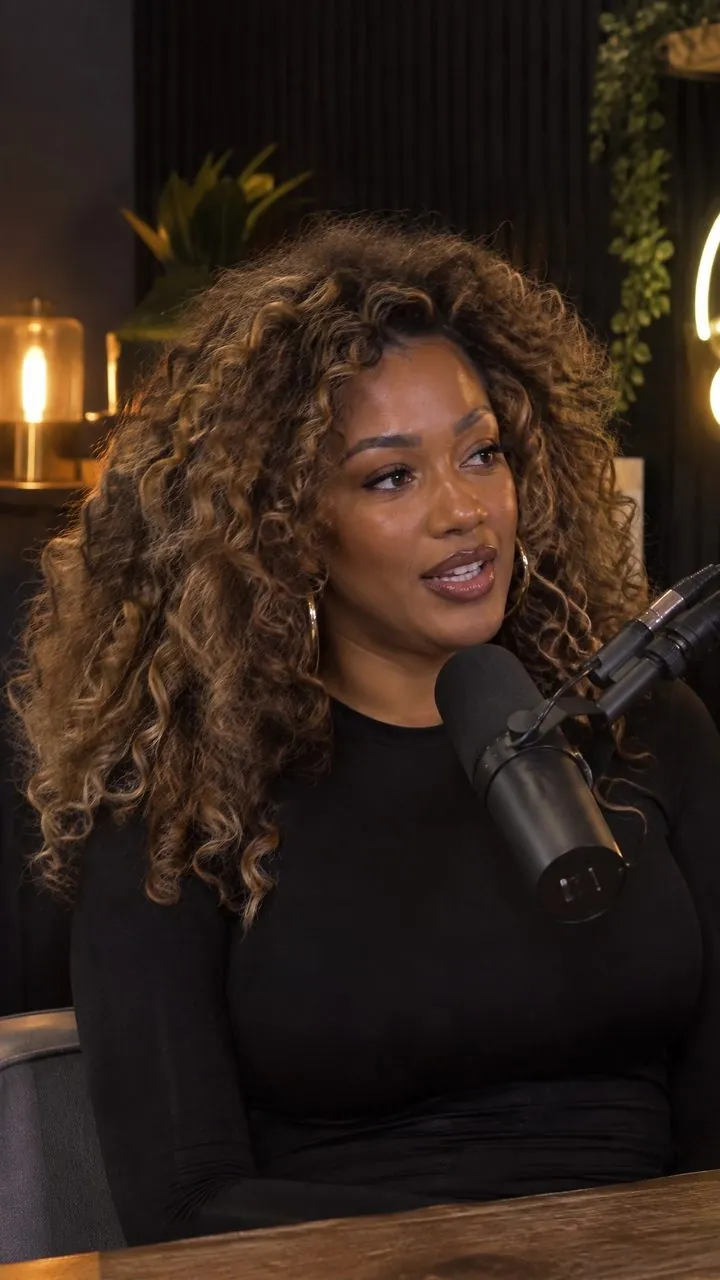
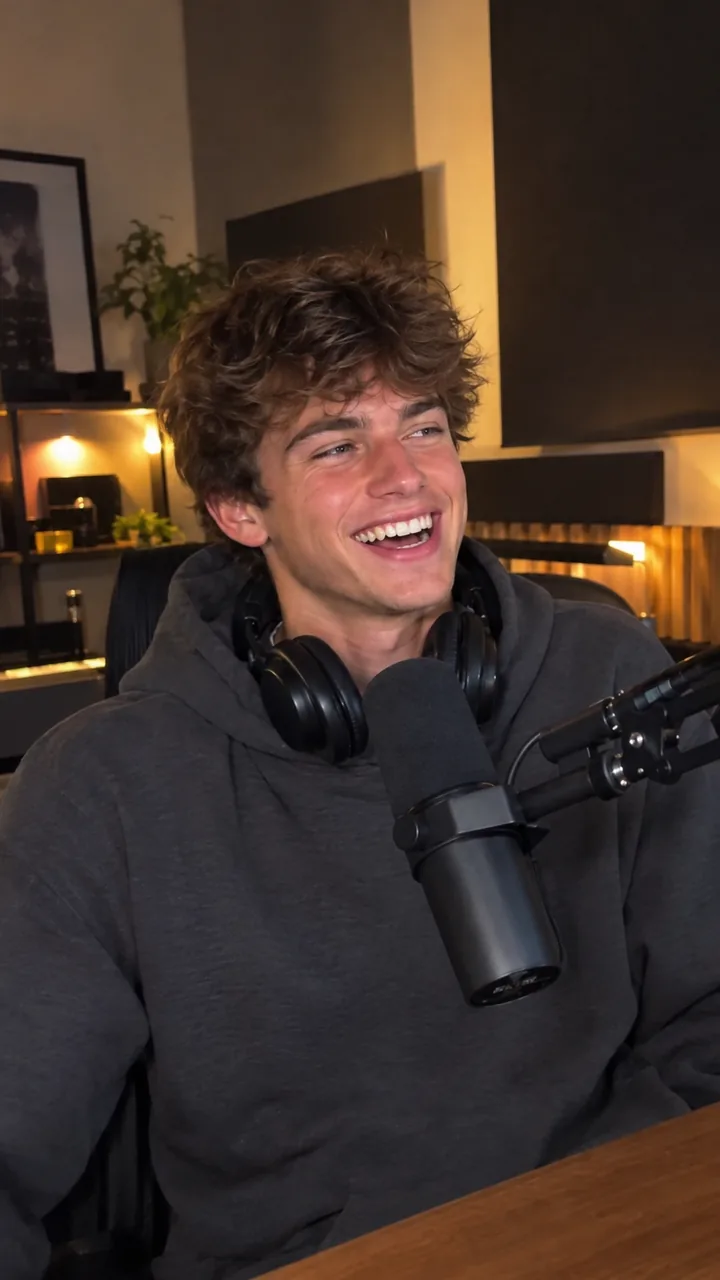
- EchoUGC makes a finished app ad for about $9 to $12, versus a median of about $175 for a human UGC video.
Why UGC-style creative wins for app installs
App install ads run in the same feed as creator content, so ads that look like creator content get watched. Liftoff's 2025 Mobile Ad Creative Index, built on 4.7 trillion impressions from January 2023 to May 2025, found that app advertisers using UGC video ads raised impression-to-install conversion by an average of 152%. TikTok's own creative guidance points the same way: use a DIY look that is not overly polished.
The catch has always been supply. A human UGC video typically costs $150 to $212 on Influee, with a median around $175, and most professional creators on JoinBrands charge $500 to $1,200 a video. App user acquisition burns through creatives fast, so that price caps how many angles you can test. AI UGC keeps the creator format and removes the creator bottleneck.
Sources: Liftoff 2025 Mobile Ad Creative Index (via IT Brief), TikTok creative best practices, TikTok Video Advertising Guide, Influee, JoinBrands
The 4 app formats: reaction, screen-record, problem and solution, testimonial-style
Almost every app install ad that works is a version of one of these four. Pick the format first, then write the hook.
| Format | What happens | Best for | How to build it |
|---|---|---|---|
| Reaction | A person reacts to something the app showed them | Finance, health tracking, screen time, AI tools | Talking ad as the hook, then your screen |
| Screen-record | A presenter sets up the problem, the screen does the selling | Productivity, SaaS, utilities | Talking intro plus your own screen capture |
| Problem and solution | Name one pain, show the one tap that fixes it | Any app with a single hero feature | Talking ad from the "problem and fix" starter |
| Testimonial-style | A presenter shares what real users say about the experience | Habit, learning and wellness apps | Talking ad, written only from real, typical user reviews |
Testimonial-style needs care. The FTC says its rule has no blanket ban on AI avatars in marketing, but a testimonial is prohibited if it is fake or false, and its 2024 rule bans testimonials that misrepresent that they come from someone who does not exist. Keep testimonial scripts tied to what real users actually report, have the AI actor present those reviews instead of claiming to be a user, and label the AI. General information, not legal advice.
Sources: FTC rule Q&A, FTC final rule
Showing the app on screen with an AI presenter
TikTok's video guide says to show the product in use within the first 2 seconds. For an app, the product is the screen, so the interface should appear early, not in the last five seconds after a long intro.
The reliable workflow is A-roll plus B-roll. Make the presenter in EchoUGC as a Talking ad (the actor talks to camera with native lip-sync), then cut your own screen recording into the middle in any video editor. The presenter carries the hook and the CTA; the screen carries the proof.
- Record the screen vertically and export at 1080x1920, the size TikTok's guide asks for.
- Show one action, not a tour. One tap, one result.
- Keep the UI in the center of the frame so platform buttons do not cover it.
- Leave captions on. Meta reports captioned video ads increase view time by an average of 12%, and EchoUGC burns them in for you.
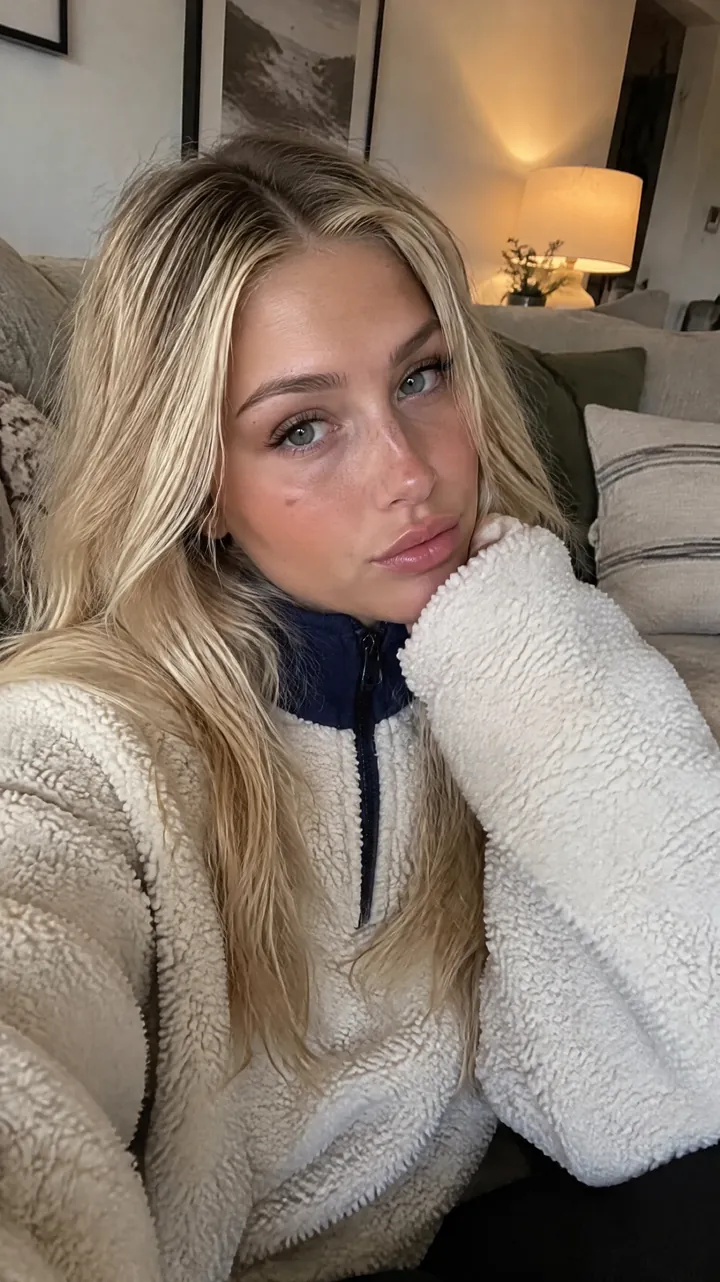
For static ads, EchoUGC's Image mode makes UGC-style images in 9:16, 1:1, 4:5 or 16:9, which also work as thumbnails or actor photos for your store listing tests.

Sources: TikTok Video Advertising Guide, Meta video ad features
Localization: one script, many languages
Apps launch globally on day one, and the ad platforms are moving the same way. TikTok's Symphony stock avatars, announced in June 2024, are pre-built avatars made with paid, commercially licensed actors and are offered in dozens of languages, according to TikTok (see our TikTok Symphony comparison).
Translation alone rarely wins. Localize these parts of the script:
- The hook. Rewrite the opening line around the local version of the problem, not a literal translation.
- Prices and currency. Match what the store page shows in that market.
- Screens. Record the app in the target language so the B-roll matches the voice.
- Disclosure. Apply the platform's AI label in every market, since local rules differ.
Run each language as its own ad so you can read results per market instead of averaging them away. Have a native speaker check every script before it runs. EchoUGC makes English-language ads, so use it for your English-speaking markets.
Source: TikTok Symphony announcement
Creative volume for app UA
TikTok recommends 3 to 5 different creatives per ad group and 3 to 5 ad groups per campaign. Its video guide says to put 20 to 30% of budget into testing and to refresh creatives every 2 to 4 weeks. A modest app campaign with 3 ad groups of 4 creatives needs 12 ads at launch and roughly the same again each refresh.
| 12 creatives per refresh | Approximate cost |
|---|---|
| Human UGC at the $175 median | About $2,100 |
| Pro creators at $500 to $1,200 | $6,000 to $14,400 |
| EchoUGC at $9 to $12 | $108 to $144 |
At about $9 to $12 an ad, the limit on your testing becomes ideas, not budget.
For the full numbers by budget, read how many ad creatives to test, and plan refreshes with our guide to creative fatigue.
Sources: TikTok creative best practices, TikTok Video Advertising Guide, Influee, JoinBrands
SaaS: B2B talking heads that don't feel cheesy
B2B buyers scroll the same feeds, but they smell hype fast. A Smartly study of US consumers found only 13% trust an ad made entirely by AI the most, while 73% said it is okay for AI to help make ads if that makes them more relevant. Relevance is the lever, so make the ad specific.
- Cast an actor who looks like the buyer: same age range, same work setting.
- Name the job title and the exact task: "If you close the books every month..." beats "Busy professionals!"
- Show one workflow in the product, start to finish.
- Use the objection or myth-busting angles. B2B buyers respond to "you probably think this needs an IT project."
- Never invent customer logos, quotes or numbers.
Hook: If you still chase invoices by email every Friday, this is for you.
Body: [Brand] invoicing app sends the reminder for you, on the schedule you pick, and shows who opened it. Here is the setup. Three fields, done.
CTA: Start your trial and set up your first reminder today.
For more structures, see the AI UGC script template and yapper ads.
Source: Smartly 2025 consumer study
Measuring: hook rate, CPI, trial start
The first 3 seconds decide most of the outcome. Meta reports that 65% of people who watch the first three seconds of a video will watch for at least ten, and up to 47% of campaign value is delivered in the first 3 seconds. Measure in this order:
| Metric | How to calculate | What it tells you |
|---|---|---|
| Hook rate | 3-second views divided by impressions | Whether the opening line and first frame stop the scroll |
| CTR | Clicks divided by impressions | Whether the body earns the tap |
| CPI | Spend divided by installs | The real cost of growth |
| Cost per trial start | Spend divided by trials or signups | Whether installs turn into users |
If hook rate is weak, change the first line and keep the body. If hook rate is strong but CPI is high, fix the screen demo or the offer. Our 75 UGC Ad hooks give you openers to swap in.
Source: Meta video ad features
Make app install ads in EchoUGC
EchoUGC is built for exactly this job: one line in, finished ad out. No creator outreach, no shipping, no waiting a week for revisions.
- Describe the app in one line. Say who it is for and the one job it does, for example "[Brand] budgeting app that tells freelancers how much tax to set aside from every invoice."
- Pick Talking and an angle. Start from an idea starter: problem and fix, objection, myth-busting or "3 reasons."
- Cast the actor. Choose from the AI actor library, use auto-pick, or pick the same saved actor each time so a whole series keeps the same face.
- Set length and style. 15 to 45 seconds costs 100 credits. Pick natural movement and keep captions on.
- Export and launch. Download the 1080p 9:16 video (usually ready in minutes), cut in your screen recording if you want, upload it to TikTok or Meta, and apply the AI label.
Pricing is simple: Starter is $49 a month for about 4 videos, Scale is $199 for about 22, and failed renders refund credits automatically. Unused credits roll over. You can try one finished video on your own app with the $11 first week, which continues on Starter at $49 a month after 7 days unless you cancel from your account. Each brief makes one video, so to test five hooks you write five briefs. Platform labels are covered in our AI ad disclosure guide.
TikTok rejects or restricts undisclosed AI-generated ads, so apply the AIGC label or your own clear disclaimer. Source: TikTok ad policy.
Frequently asked questions
Does AI UGC work for app installs?
UGC-style video is a strong app install format: Liftoff found UGC video ads raised impression-to-install conversion by 152% on average. AI UGC lets you produce that format at volume, so you can test many hooks and find the ones that work for your app.
What is the best ad format for app downloads?
Short vertical video with a presenter hook and a quick look at the app screen. TikTok says 21 to 34 seconds performs best and recommends showing the product in use within the first 2 seconds.
How many creatives do app advertisers test?
TikTok recommends 3 to 5 creatives per ad group and 3 to 5 ad groups per campaign, refreshed every 2 to 4 weeks. Many app teams test new creatives every week once spend grows.
Can AI UGC Ads be made in other languages?
Yes, many AI avatar tools support several languages; TikTok says its Symphony stock avatars are offered in dozens of languages. EchoUGC makes English-language ads. Whatever tool you use, localize the hook, prices and app screens, not just the words, and have a native speaker review each script.
Is AI UGC good for B2B SaaS?
Yes, if the ad is specific. Name the buyer's job title and one task, show a real workflow in the product, and avoid invented customer claims. Talking-head ads made in EchoUGC cost about $9 to $12 each, so you can test several angles per persona.
Make your first AI UGC Ad for $11
Describe your product in one line. EchoUGC writes the script, casts an AI actor and delivers a captioned 9:16 video, sized for TikTok, Reels and Shorts. The $11 first week gives you 100 credits, enough for one finished video, then continues on Starter at $49 a month after 7 days. Cancel anytime from your account.
Start creating